Collections
Classic woolen styles, blended weaves, double-faced constructions, hairy fibre programs, and recycled material directions.
Five core product directions plus a wool-like fibre extension.
The core collection is organized around Classic Style, Single Faced Blended Weave, Double Faced Blended Weave, Hairy Special, and Recycled Material Programs, followed by a technical wool-like polyester reference.
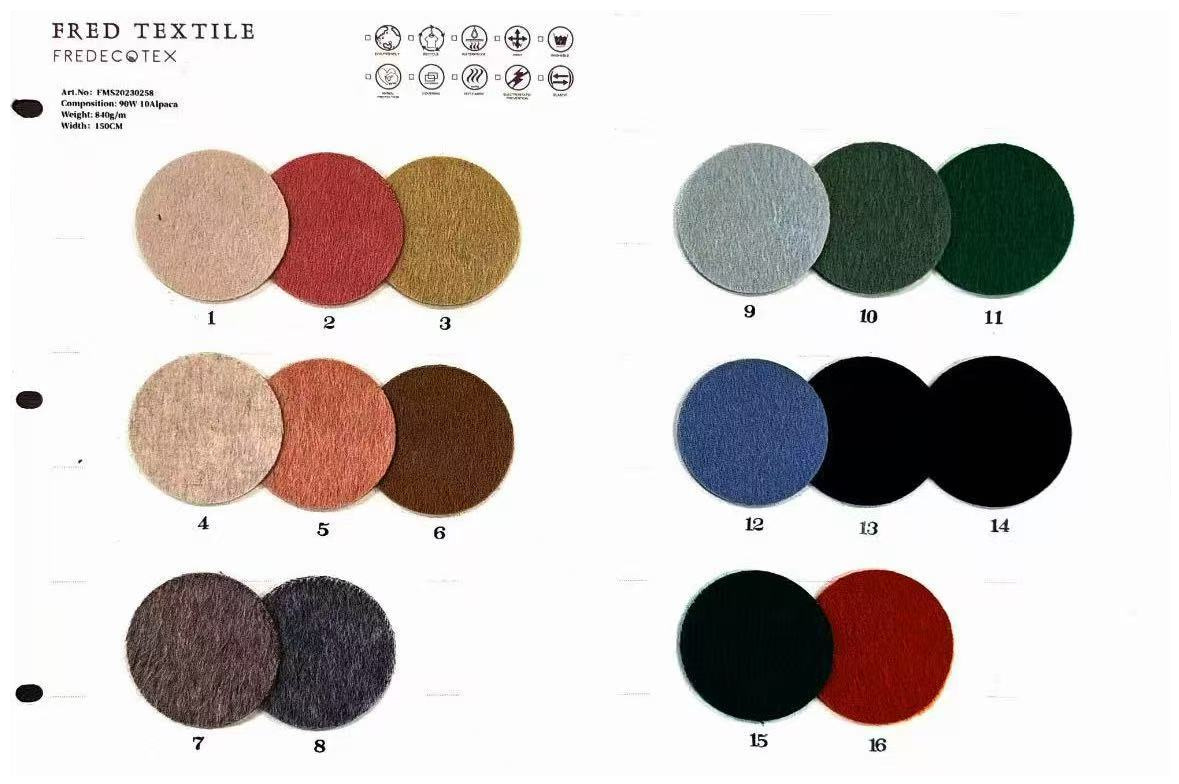
Selected colour card references from Fred Textile materials.
The colour sample images are selected and prepared before the main fabric collection content.
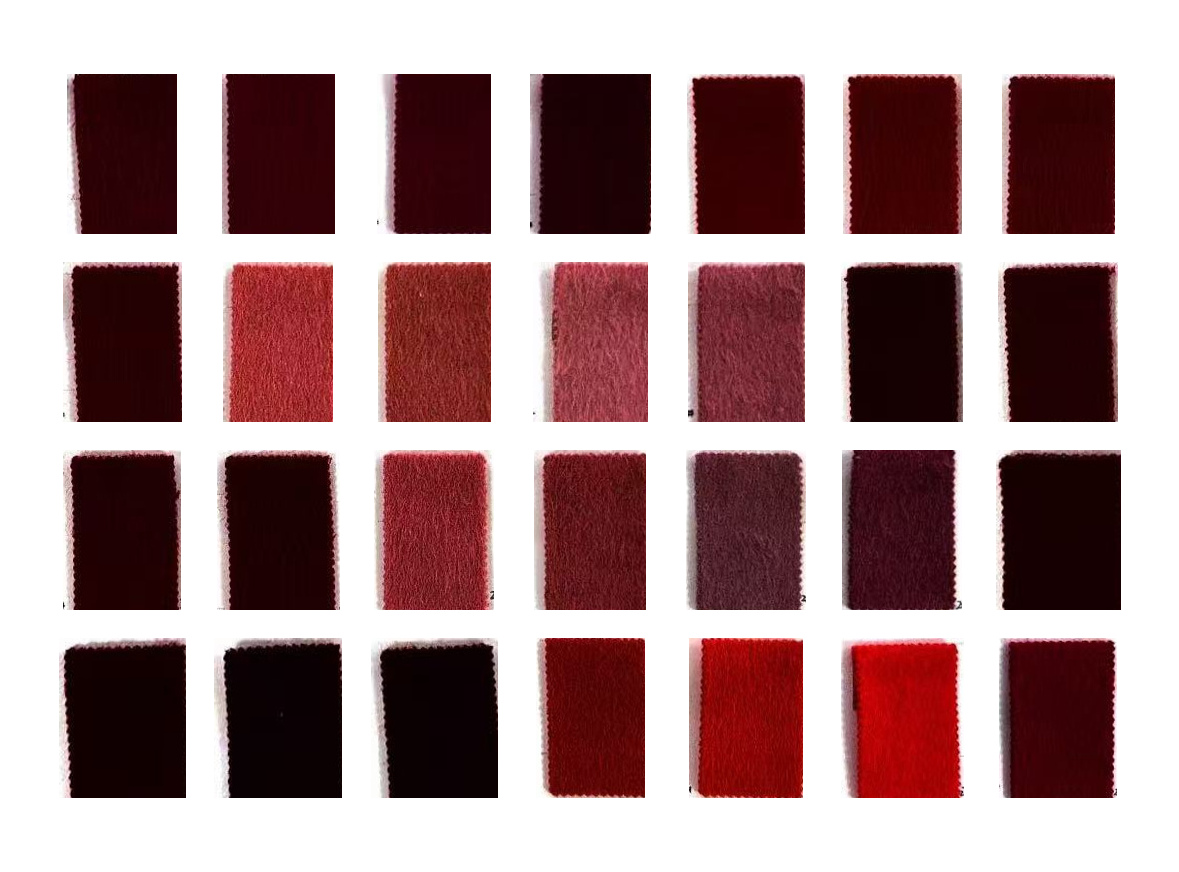
Red and Rose Range
Warm red, rose, burgundy, and deep seasonal red references from the colour card.
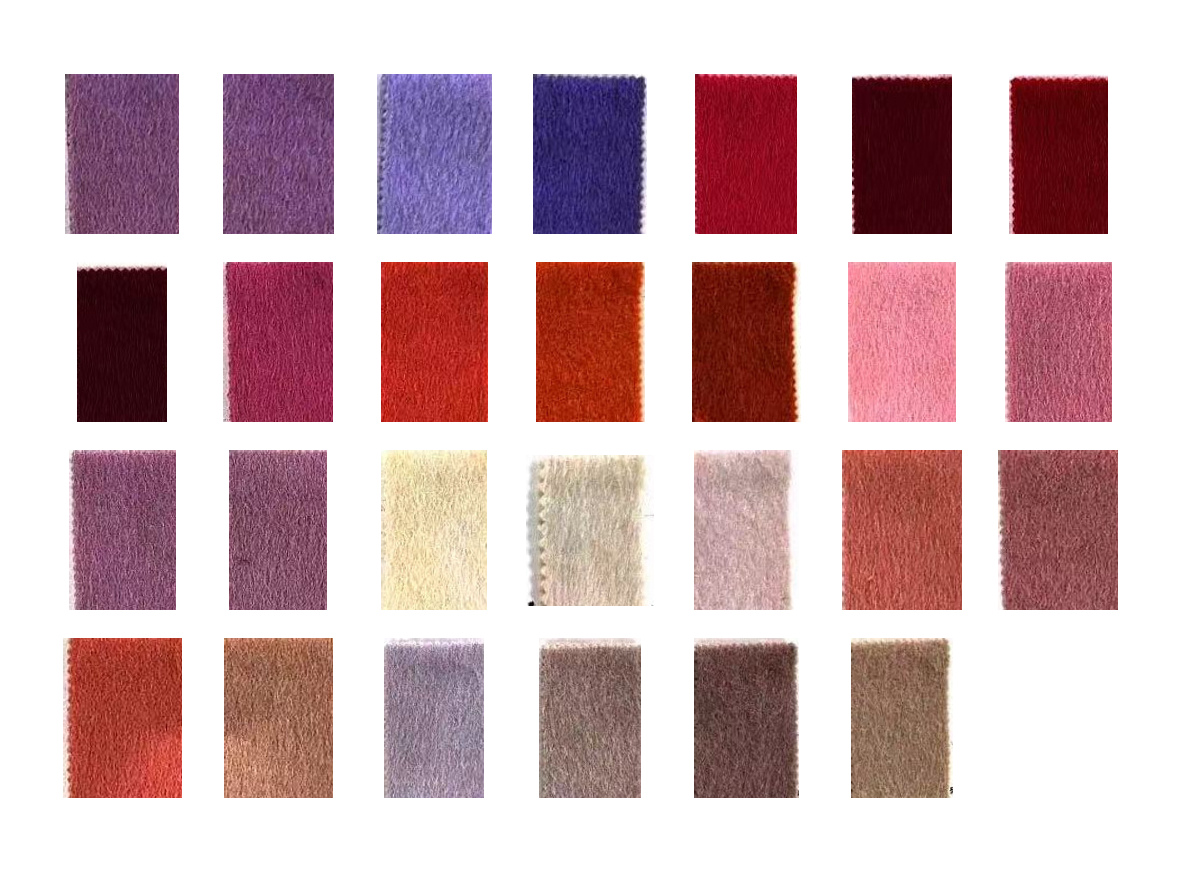
Rose and Soft Neutral Range
Rose, lilac, pale neutral, taupe, and soft grey hairy colour directions.
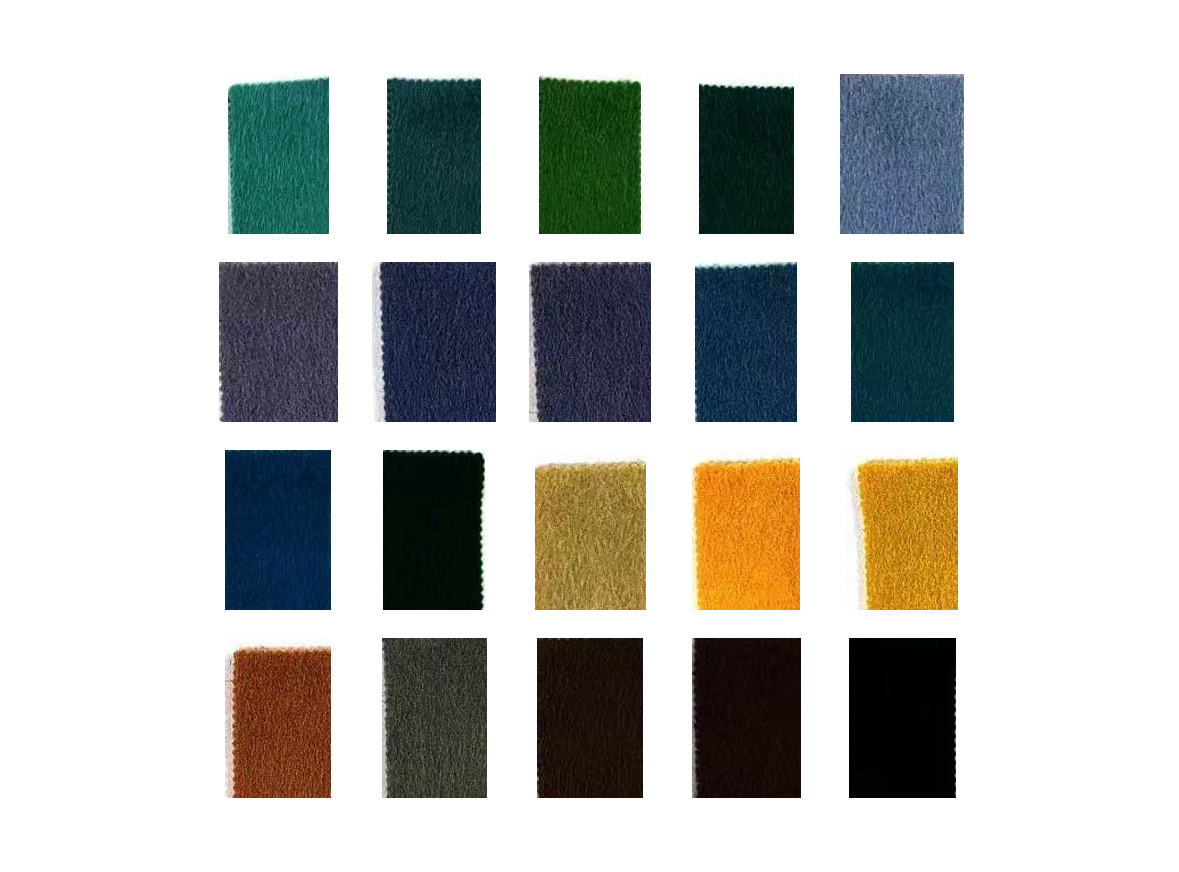
Earth, Blue, and Green Range
Earth tones, blue families, green accents, and seasonal deep colours.
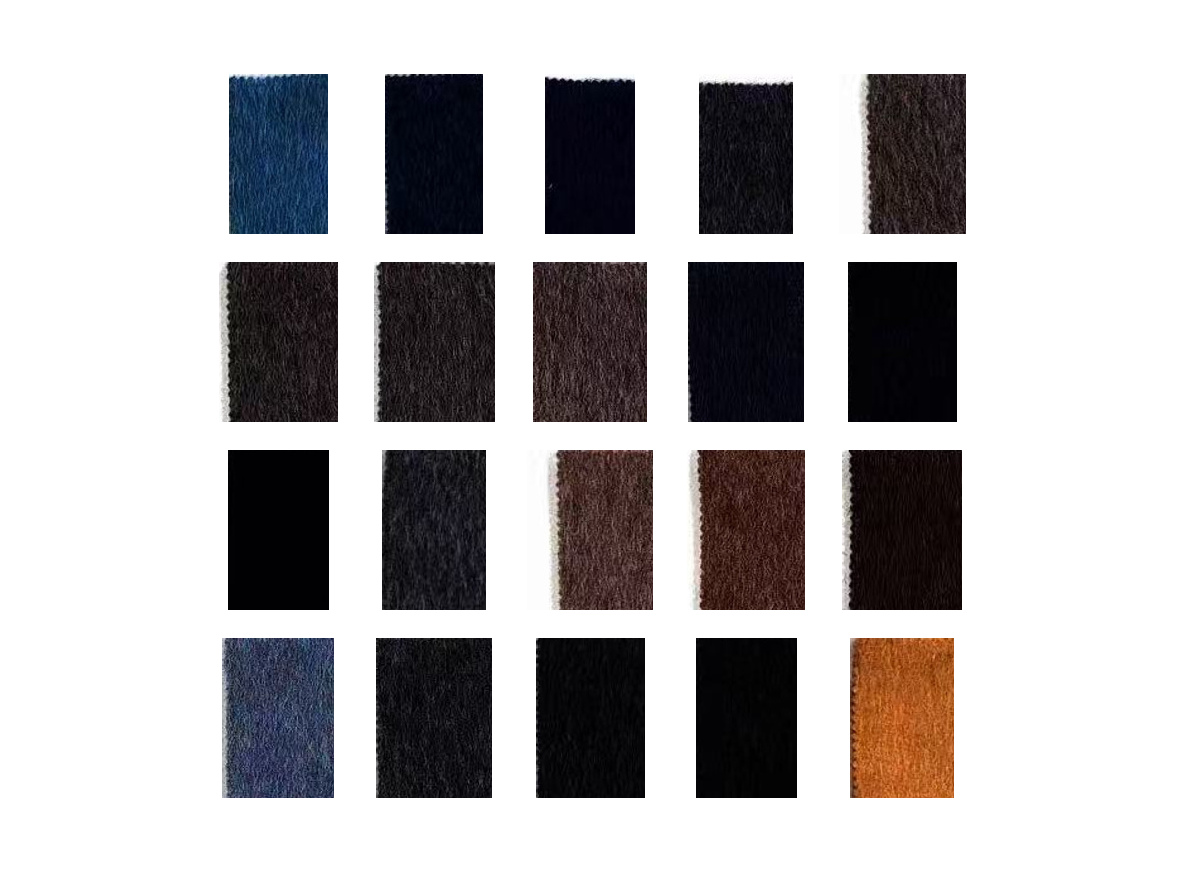
Deep Winter Range
Navy, black, brown, rust, and saturated winter colour references.
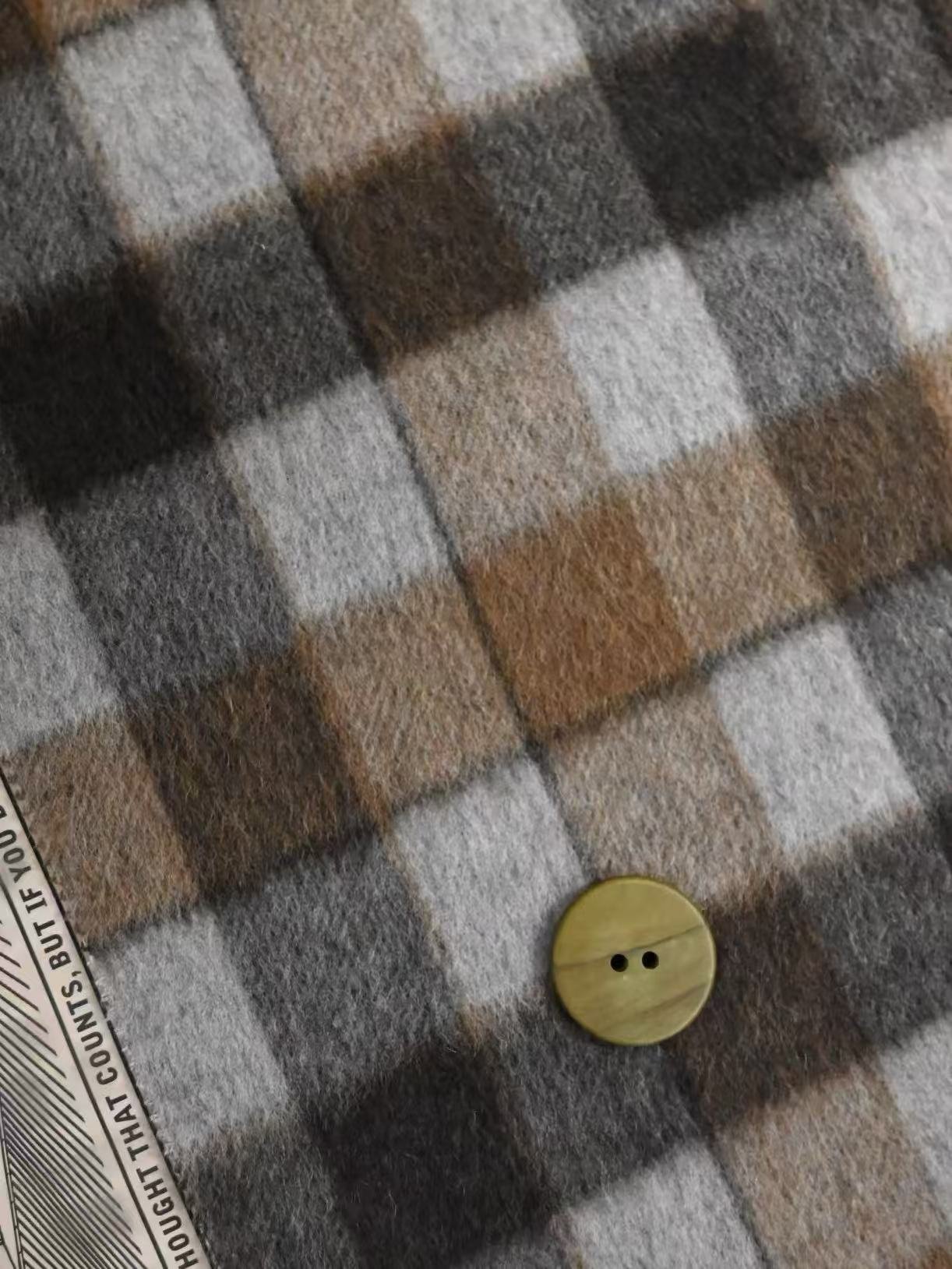
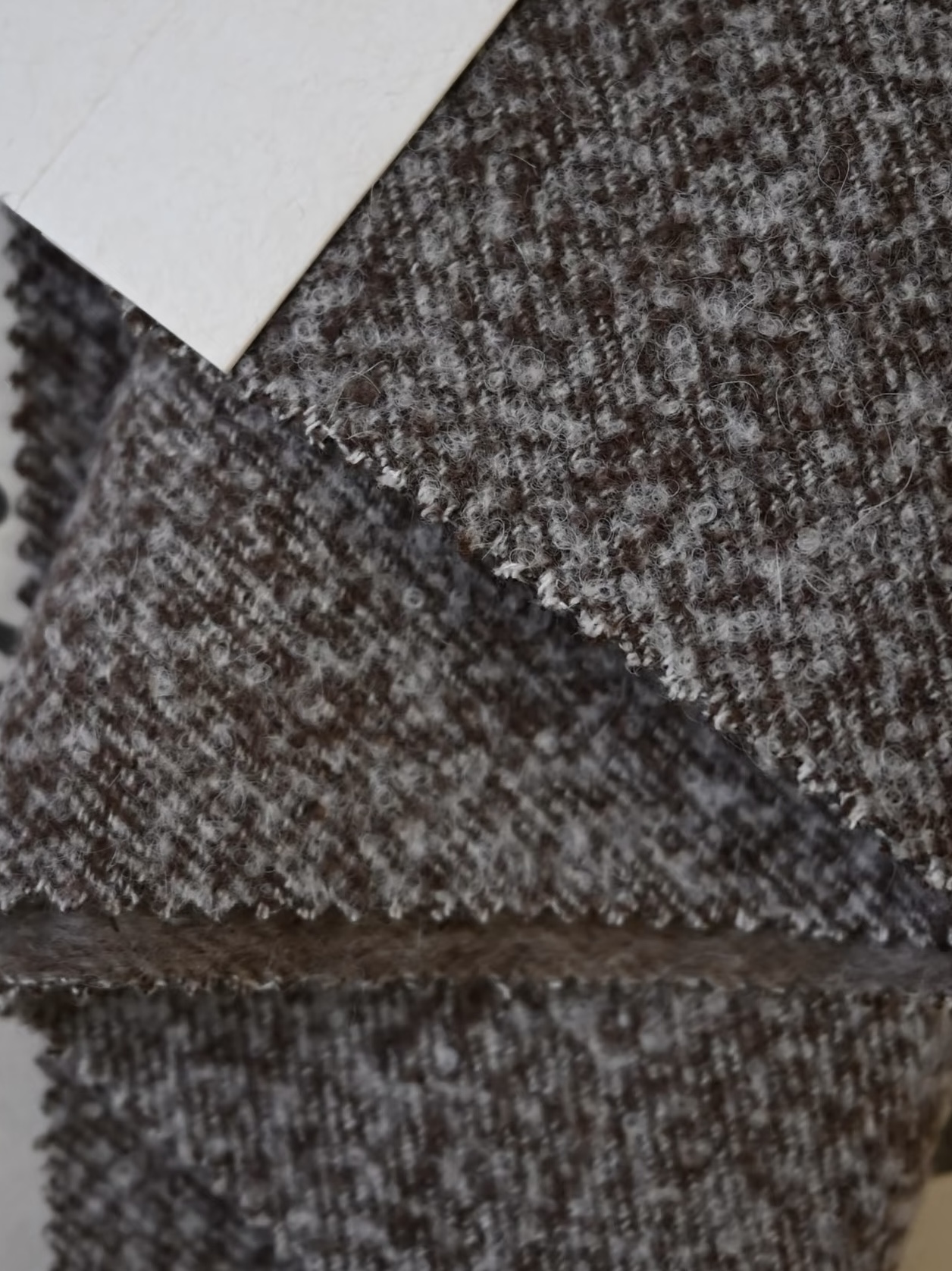
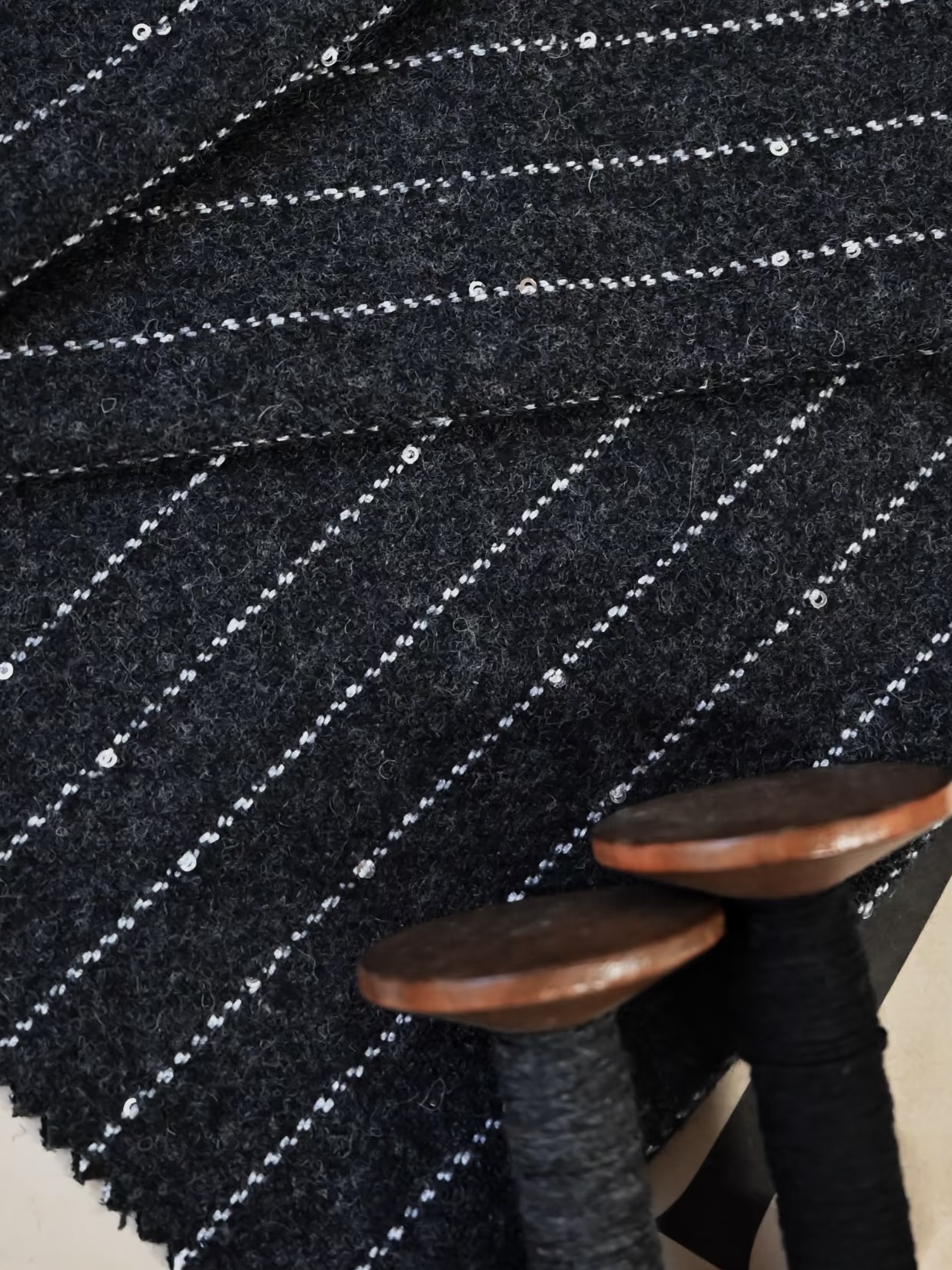
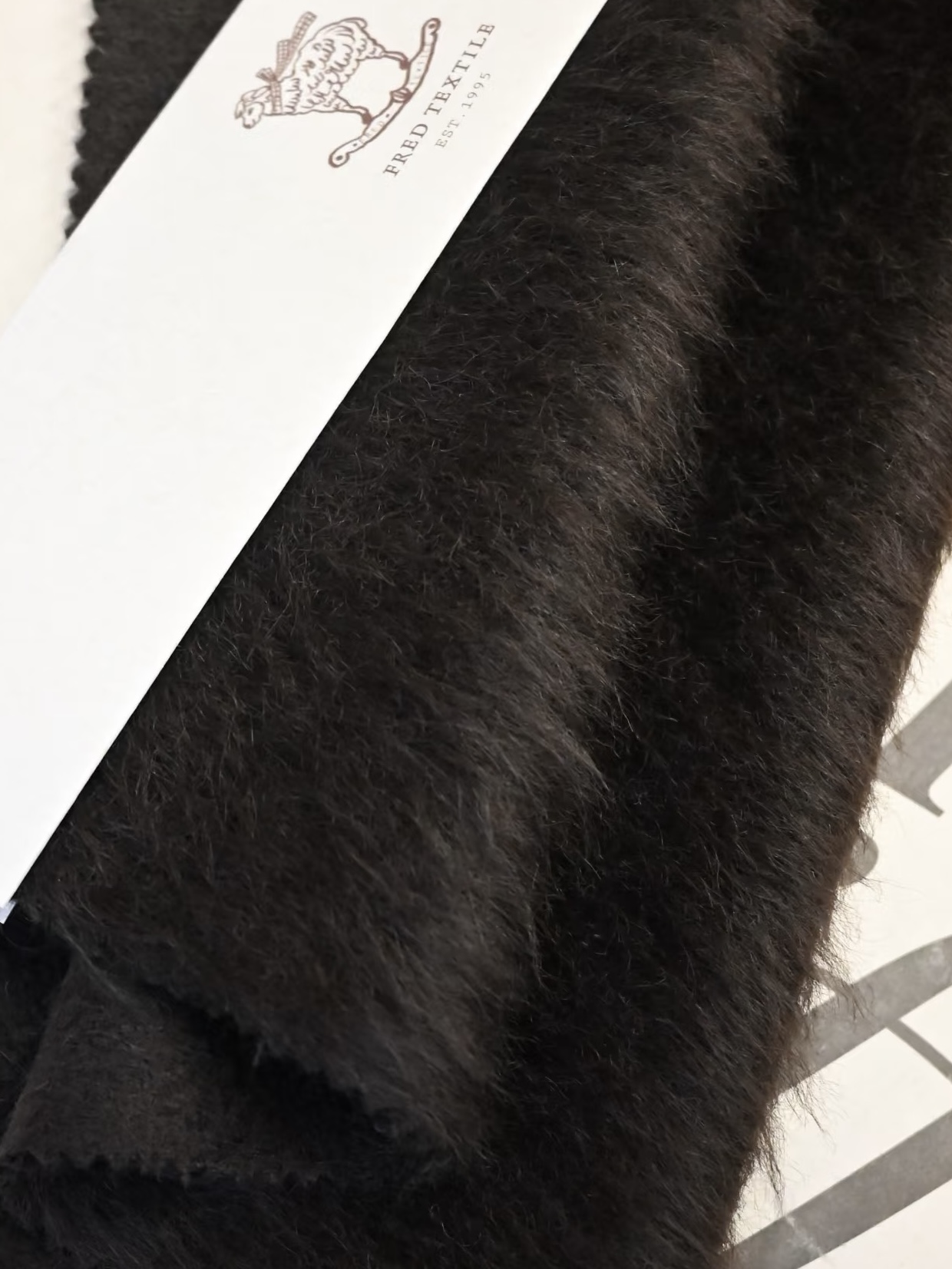
Selected fabric and apparel directions.
Clean B2B collection cards present fabric directions without price, cart, checkout, or stock elements.
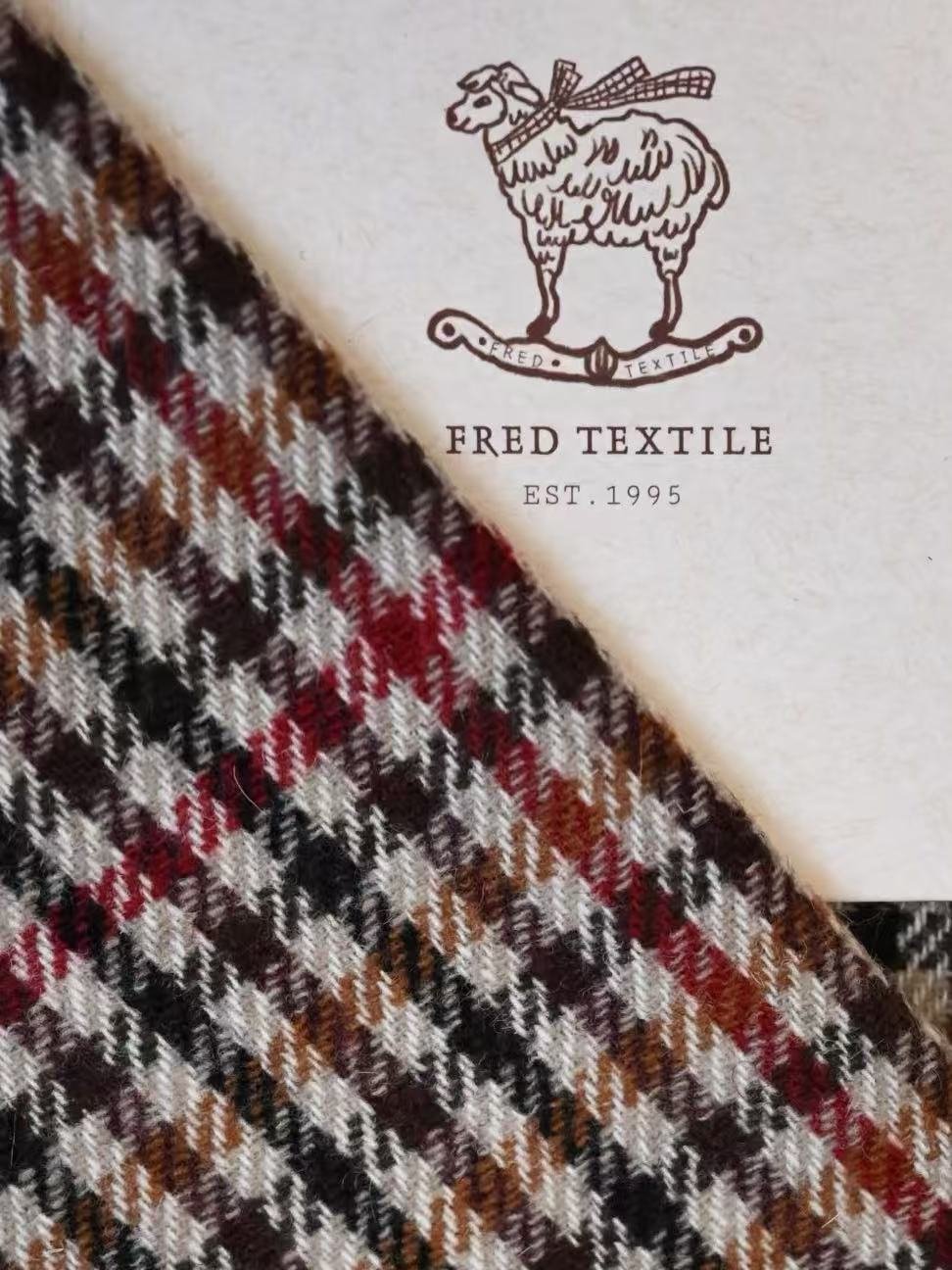
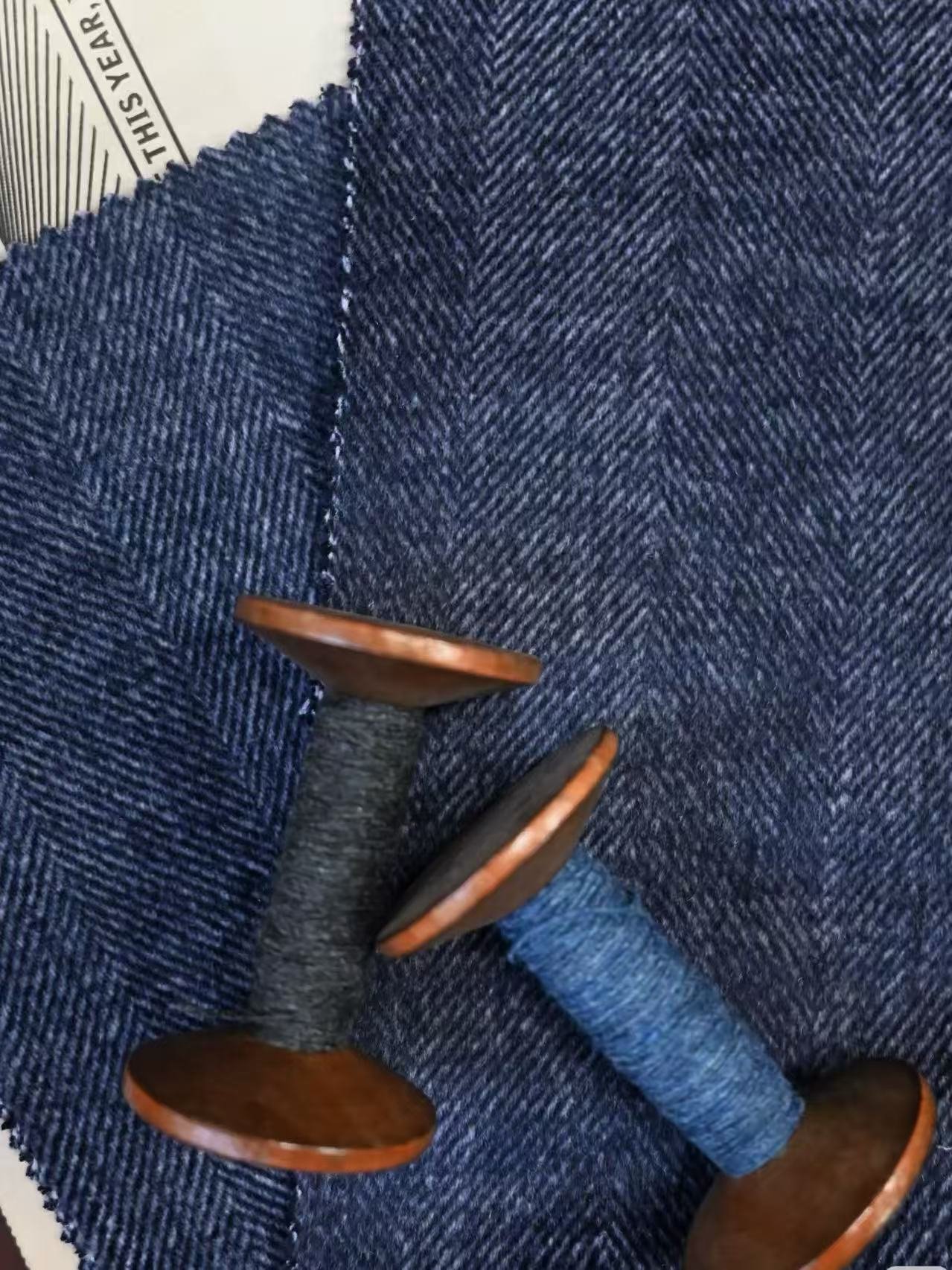
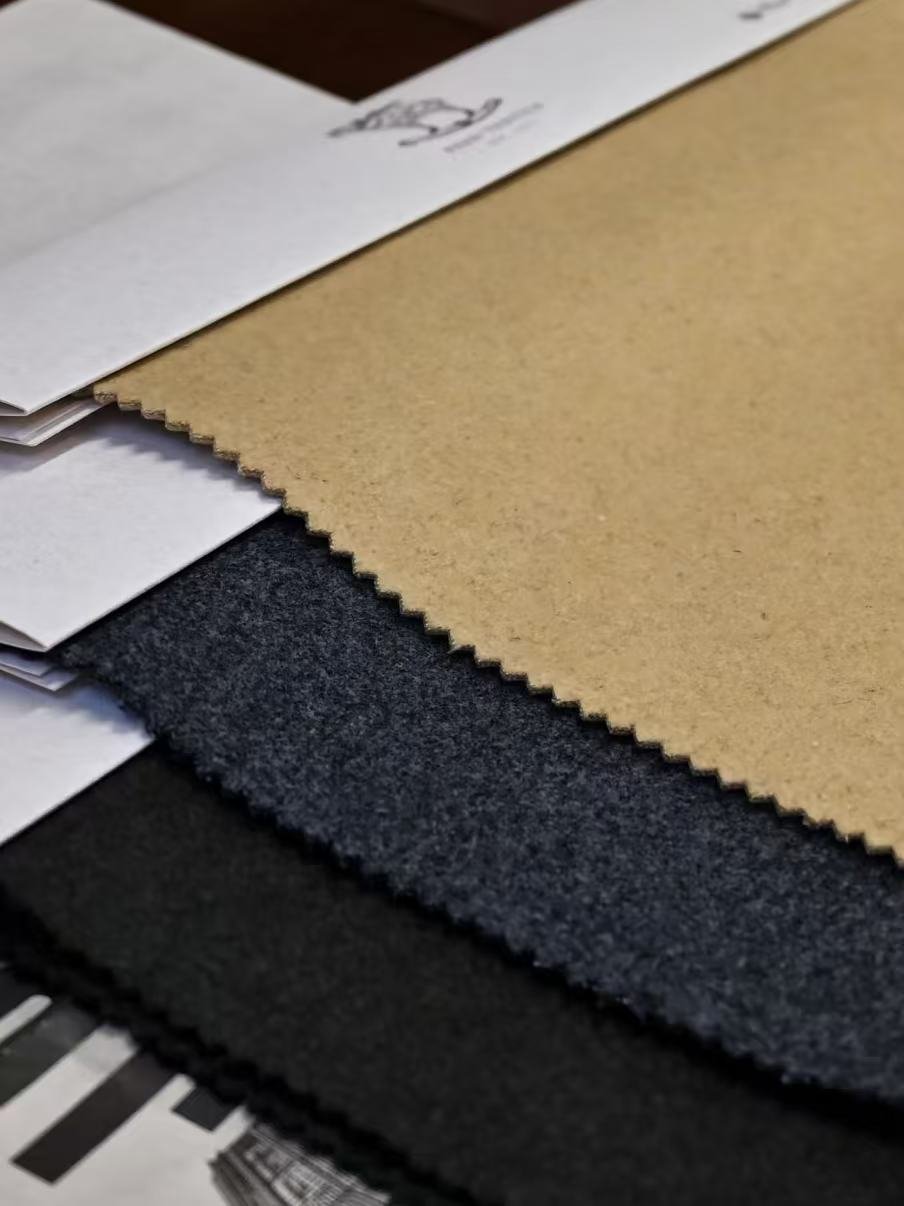
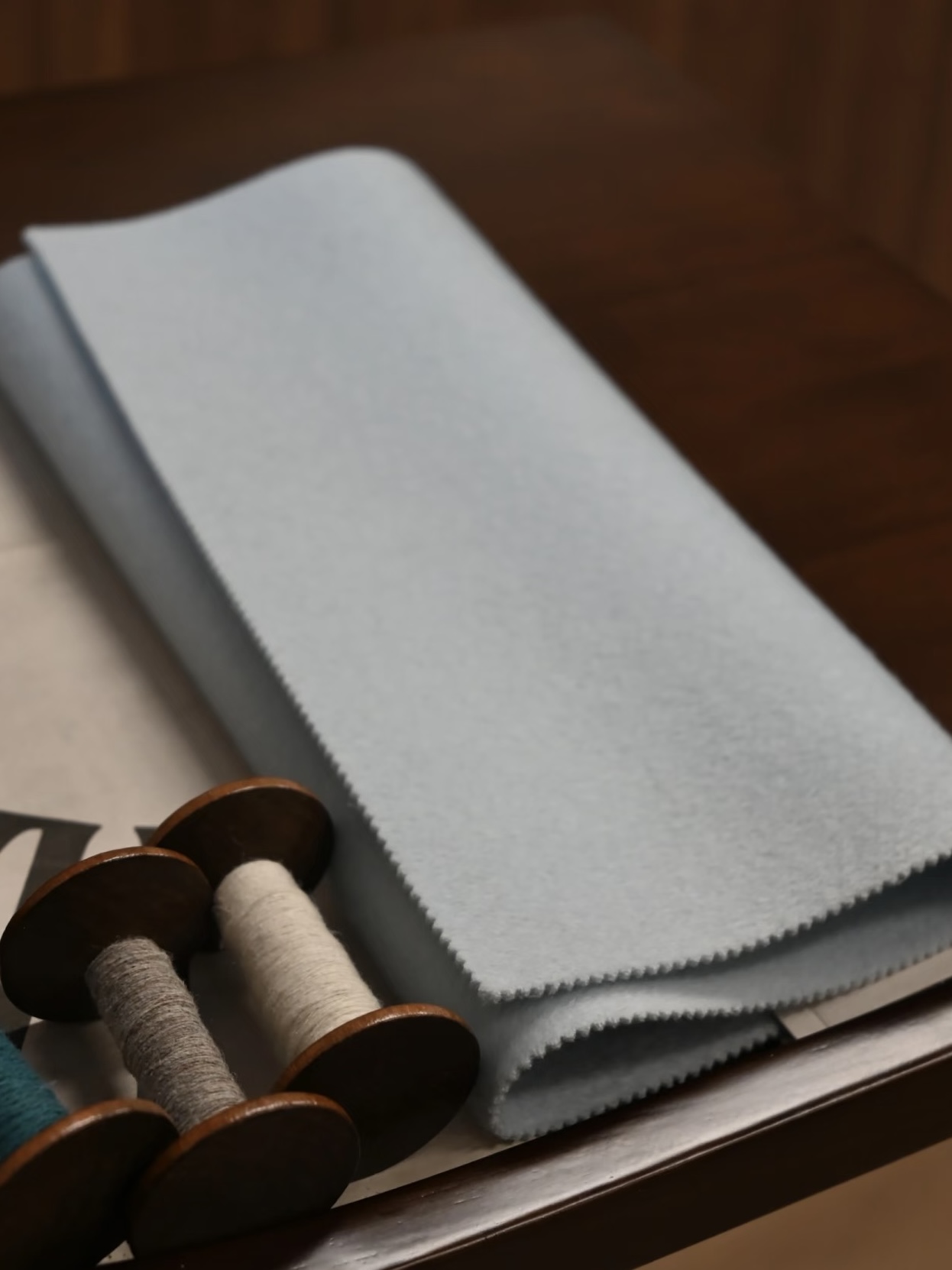
Recycled Wool Program
Re-wool and recycled material direction for responsible textile development.
View DetailsClassic Style
Classic Style directions from the company profile for seasonal apparel, tailoring, and outerwear programs.
Classic Tweed
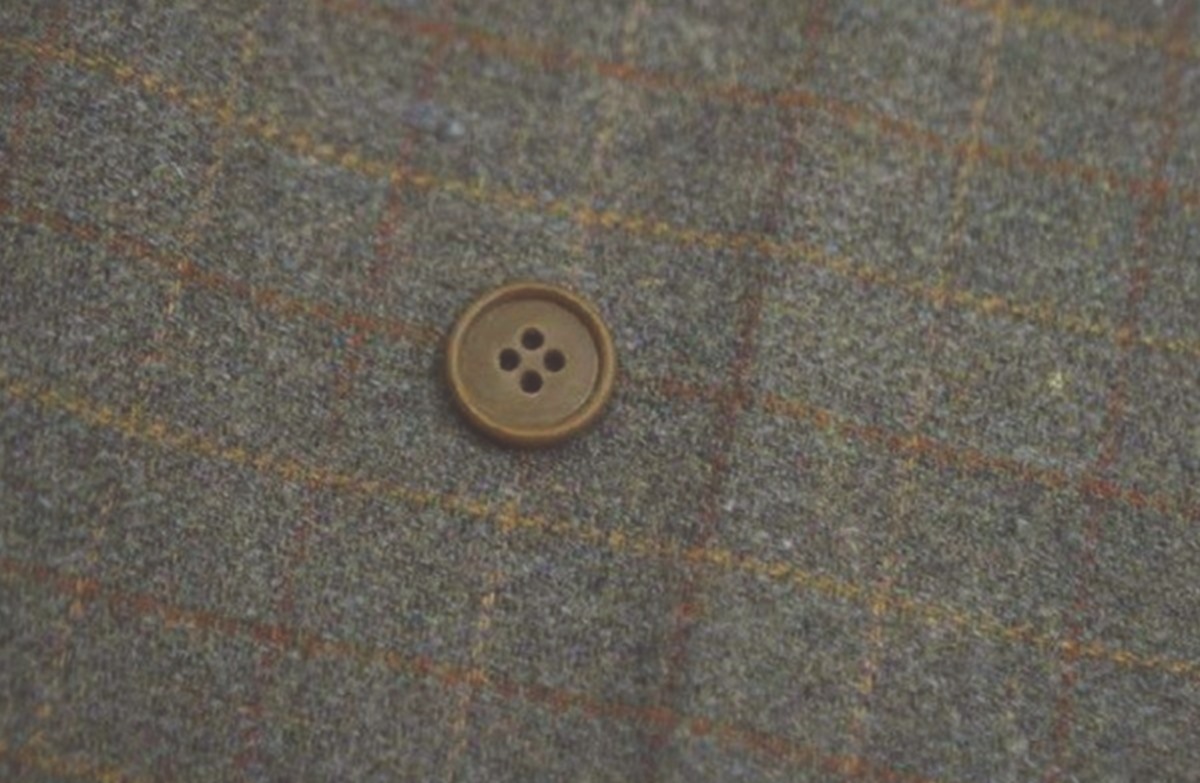
A warm, water-resistant, crease-resistant woolen fabric direction used for casual suits, sports jackets, vests, and lightweight overcoats.
Flannel
A soft, slightly napped woolen cloth direction, suitable for comfortable trousers, jackets, and seasonal apparel.
Classic Melton
A dense, heavy overcoating fabric with a short non-directional nap, compact structure, and smooth surface.
Over Coating
Heavier outerwear cloth developed for coats where warmth, handfeel, and structure are important.
Single Faced Blended Weave
Firmly woven blended weaves developed with different materials, finishes, and handfeel directions.
Lightweight Elastic Blended Wool
Lightweight blended wool direction with stretch and soft seasonal handfeel.
Denim Tweed
Linen, wool, and cotton references for textured casual tailoring.
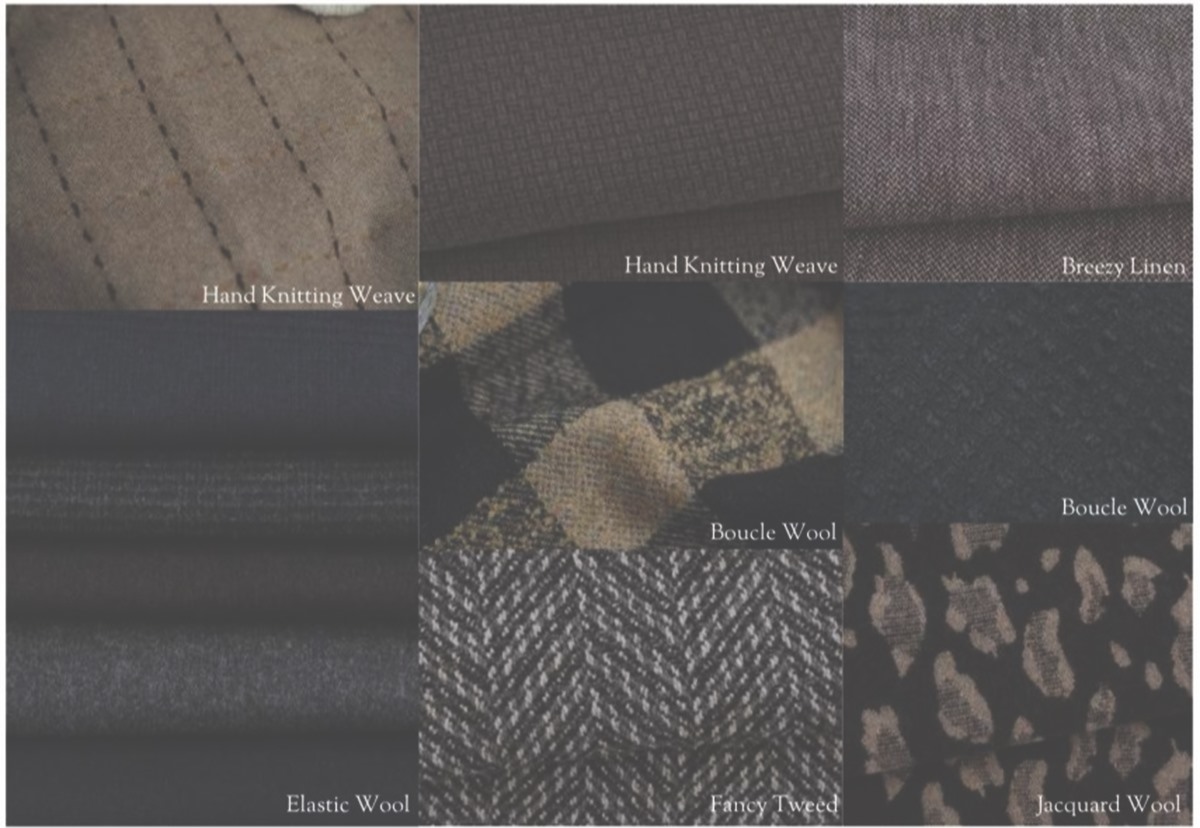
Blended Breezy Linen
A lighter blended construction for breathable seasonal development.
Boucle Wool
Looped woolen texture for a tactile surface and soft visual depth.
Fancy Tweed
Decorative tweed direction for collection-led fabric programs.
Hand Knitting Weave
Hand-knit inspired surface for textured woven development.
Fringe Wool
Surface expression for fringe and hairy woolen styling.
Hairy Wool Stretch
Hairy woolen surface with comfort and movement direction.
Jacquard Wool
Patterned woolen direction for structured seasonal fabrics.
Cashmere
Soft luxury handfeel direction for elevated apparel programs.
Double Faced Blended Weave
Compound woven structures with two usable sides for reversible coats, jackets, and self-lined outerwear.
Lightweight Double Faced Cloth
A lighter double-faced cloth direction for outerwear programs.
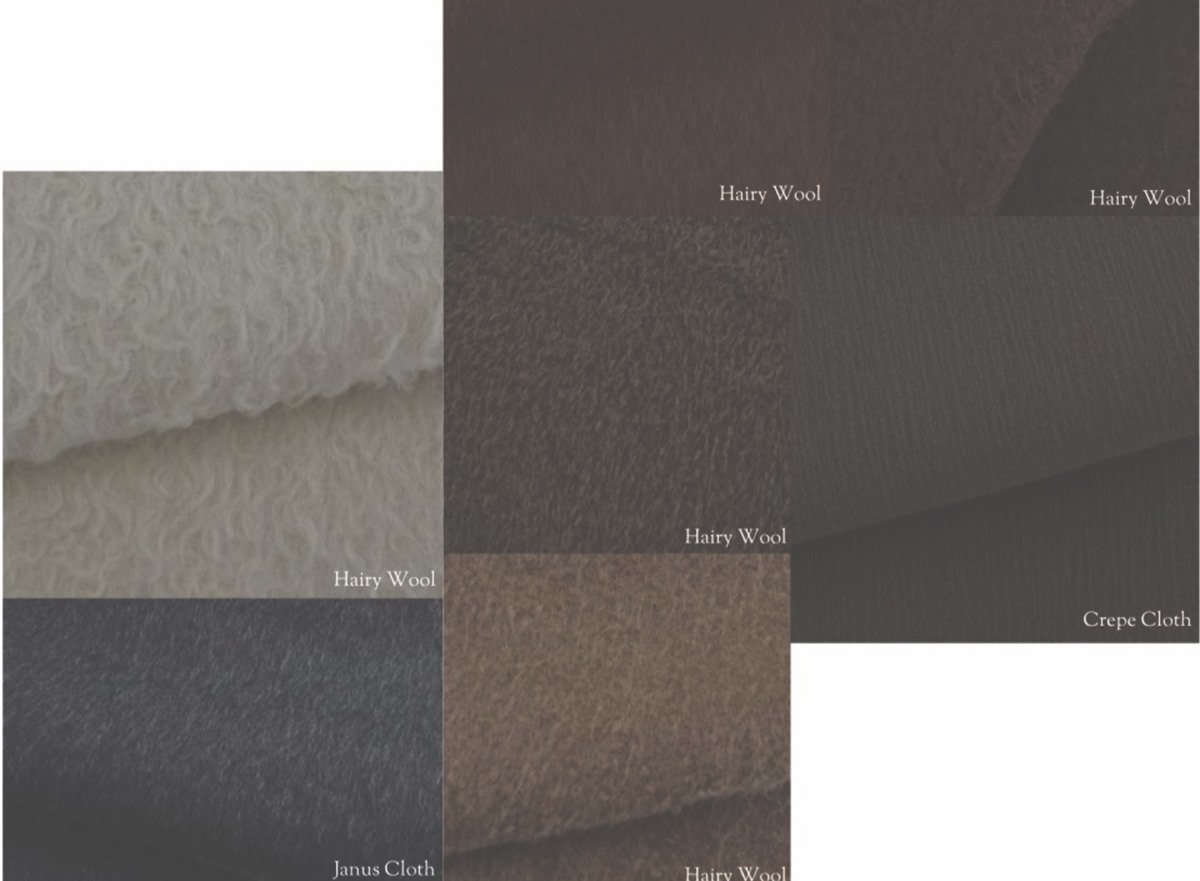
Janus Cloth
Double-faced construction that supports two-side visual and handfeel development.
Crepe Cloth
Crepe surface direction for structured blended textile programs.
Hairy Wool
Hairy double-faced texture for warm, soft, and tactile outerwear.
Jacquard Wool
Patterned double-faced direction for collection-led coat programs.
Cashmere
Soft luxury double-faced direction for elevated seasonal apparel.
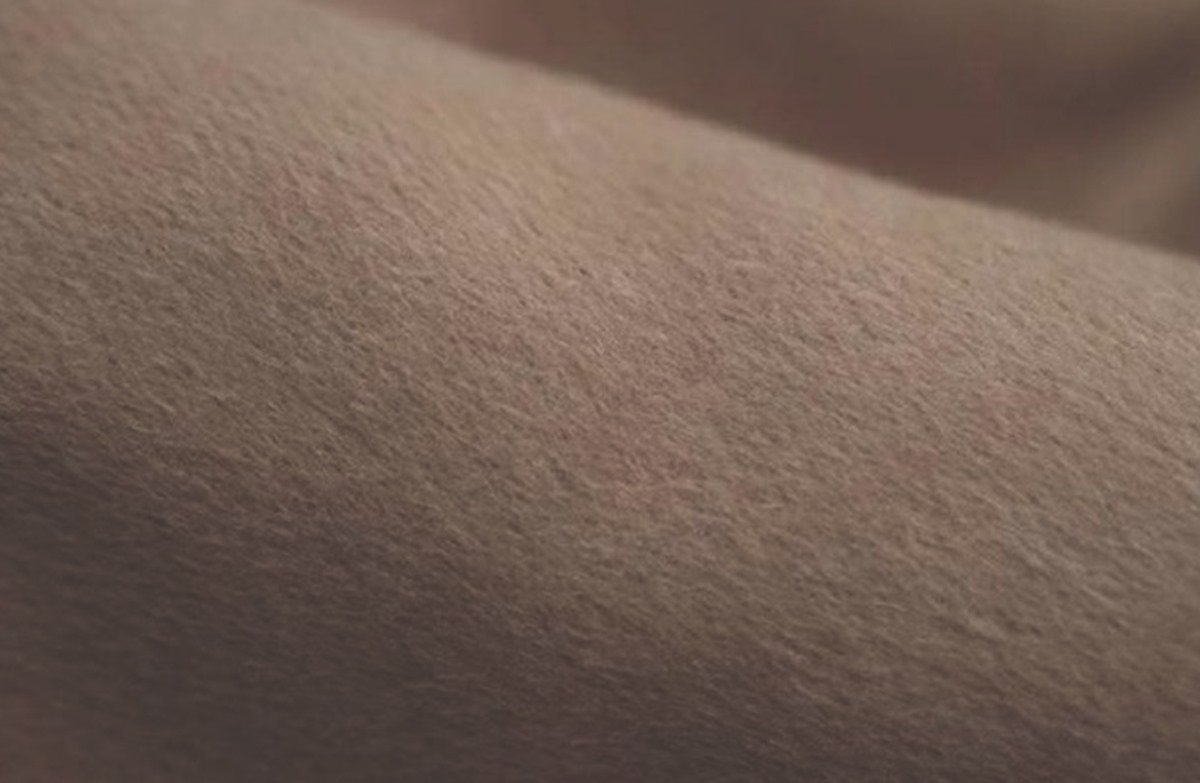
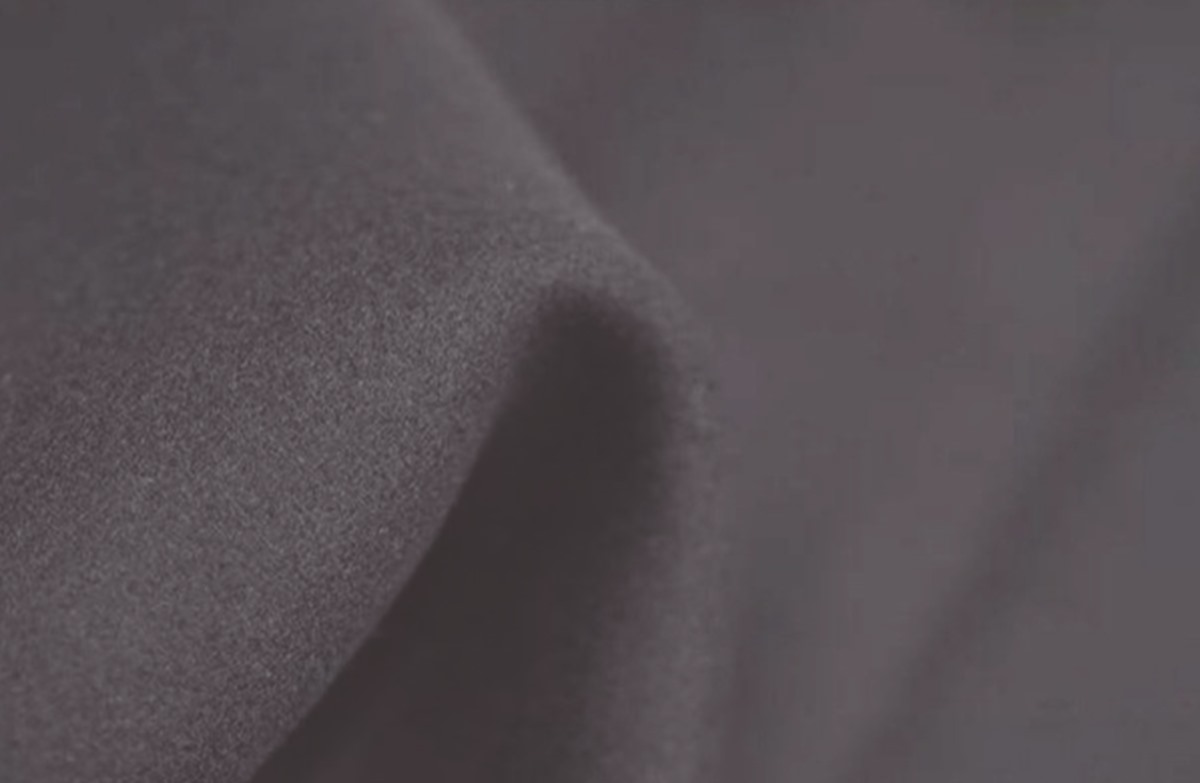
Hairy Special
Luxury animal fibre blends for soft, sleek, and smooth handfeel.
Alpaca
Soft animal fibre direction for elevated hairy woolen surfaces.
Suri Alpaca
Longer fibre expression for soft surface and fluid drape direction.
Yak
Warm animal fibre direction for winter apparel development.
Camel
Natural warm fibre direction for refined outerwear handfeel.
Mohair
Lustrous hairy texture for soft and expressive surfaces.
Wool Blended Weave
Blended woolen construction combining warmth, texture, and handfeel.
Recycled Material Programs
Re-cashmere, re-wool, and re-poly directions for recycled and responsible textile development.
RE-Cashmere
Recycled cashmere direction for applicable qualified product programs.
RE-Wool
Recycled wool direction supporting responsible woolen development.
RE-Poly
Recycled polyester direction for blended textile programs.
GRS / RWS Programs
Certification-related directions should be confirmed against current certificate scope and transaction records.
Core fabric families for woolen and blended fabric programs.
These families summarize overcoating, knitted blends, checked blends, and menswear-oriented textile directions in clean English collection language.
All-Wool Single / Double-Face Overcoating
Warm woolen overcoating directions translated from the source product center and reorganized for B2B collection browsing.
Wool-Polyester Blended Overcoating
Balanced wool-polyester blends for stable handfeel, durability, and seasonal coat programs.
Knitted Blended Fabrics
Comfort-oriented knitted blends for apparel programs requiring flexibility and shape retention.
Checked Blended Fabrics
Checked and patterned blended fabrics for coats, jackets, and collection development.
Menswear Textile Programs
Menswear-oriented woolen, blended, checked, and structured fabric directions.
Wool-like Fibre Fabrics
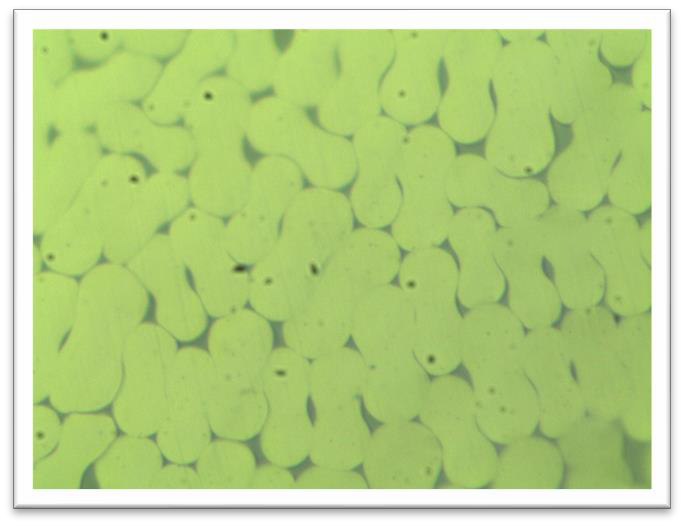
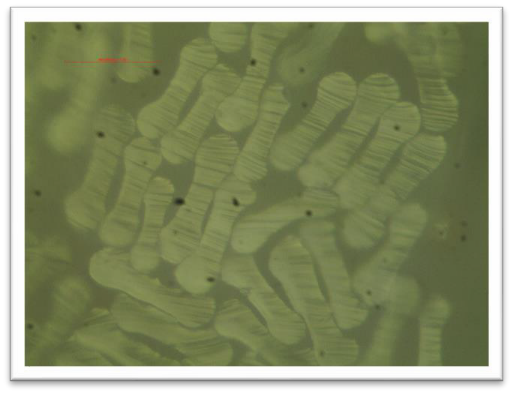
Engineered polyester fibre structures developed for cotton-like skin comfort, improved pilling balance, greater loft, thermal insulation, lighter weight, and a controlled matte appearance.
Cotton-like skin comfort
Approximately 120% higher moisture regain reduces the dry feel of standard polyester and supports a softer, cotton-like touch against skin.
Balanced strength for cleaner raising
A controlled 30% reduction in relative strength balances spinnability, helps reduce fibre nubs in the fabric, and improves raising and pilling performance.
Greater bulk and support
The wool-like structure reaches a 170% relative loft index compared with the 100% polyester baseline.
Looser fibre packing supports a softer, fuller hand.
- Under the same heavy load, the wool-like fibre mass compresses less and retains a softer, bulkier character.
- A stronger flake-like fibre structure provides improved internal support.
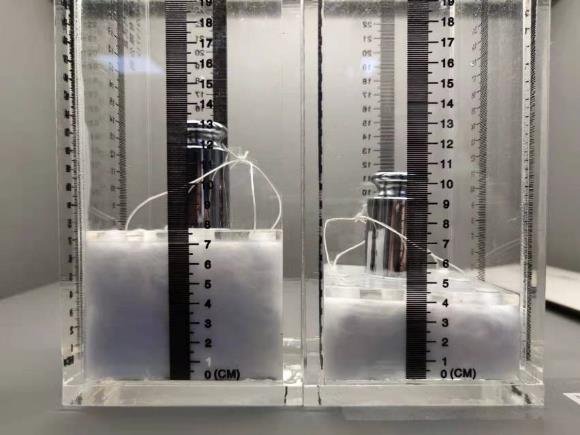
Internal air spaces support insulation without unnecessary weight.
- An air-layer cushioning principle creates cavities and air pockets within the fibre core, helping the fabric retain heat and insulate.
- The stored air layer also helps the finished fabric feel lighter.
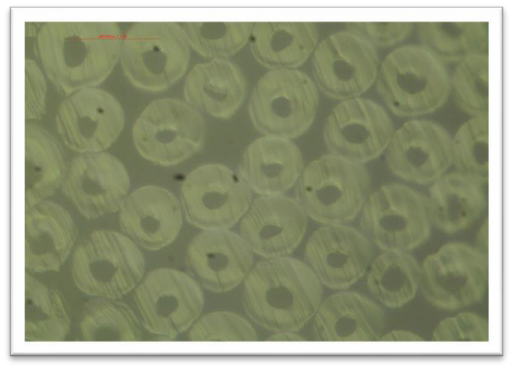
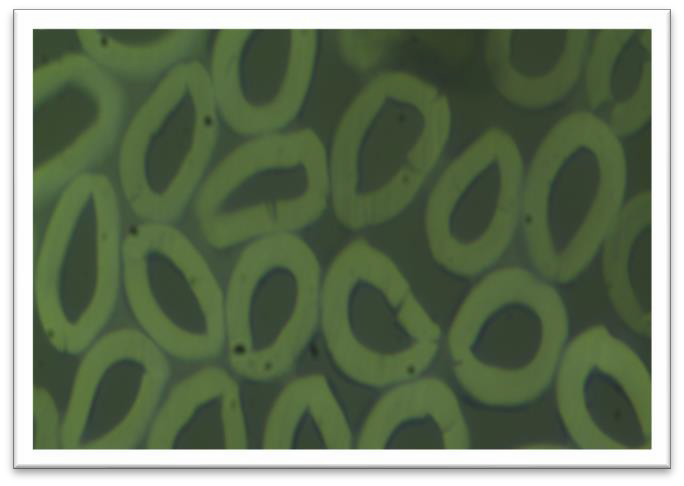
Curved fibre surfaces create a controlled diffuse reflection.
- The distinctive curved surface scatters light to create a soft matte appearance.
- Full-dull processing can further emphasise the low-lustre texture.
Request swatches or discuss a custom fabric program.
Share composition, weight, width, color, handfeel reference, finishing requirement, quantity, and target delivery schedule.