Facilities
Production capability and a complete fibre reference for natural, regenerated, and synthetic materials used in woven textile development.
A production scope built around woven fabric development.
Fengruide (Suzhou) Textile Technology Co., Ltd. supports top dyeing, spinning, weaving, finishing, inspection, and shipment coordination for OEM and ODM fabric programs.
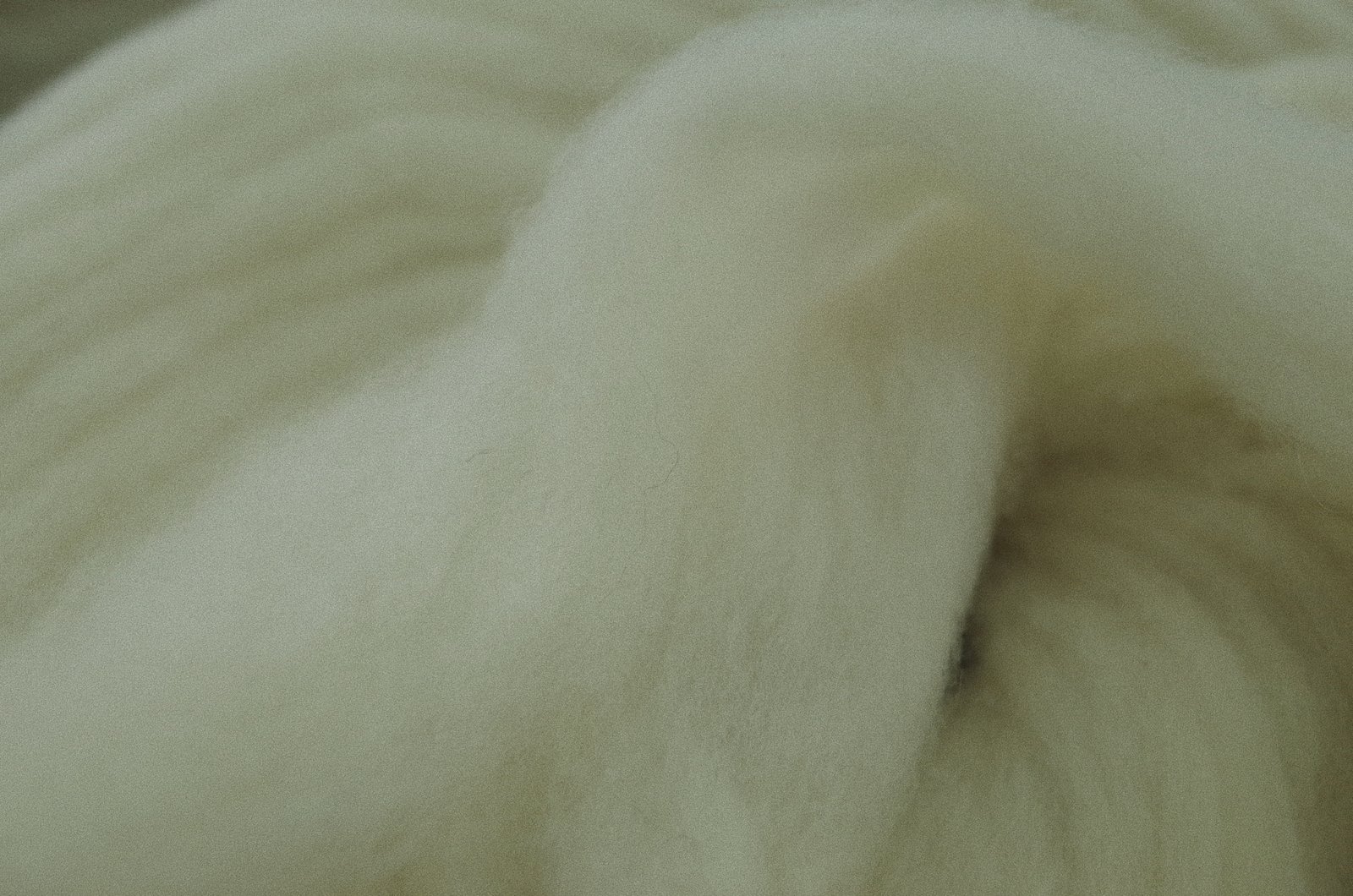
Top Dyeing
Top Dyeing material preparation for woolen and blended fabric programs.
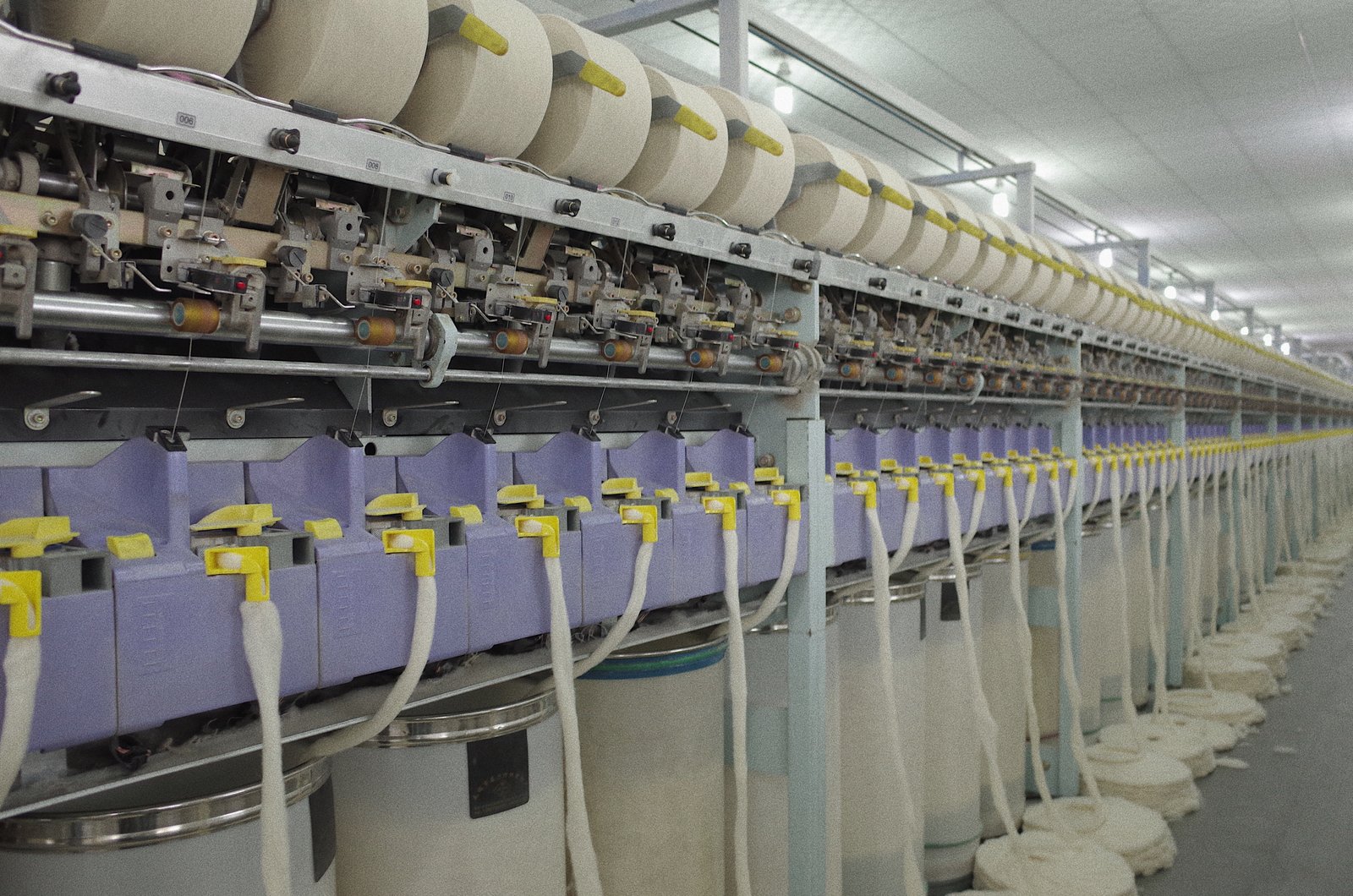
Spinning
Air and mule spinning capacity supporting yarn preparation.
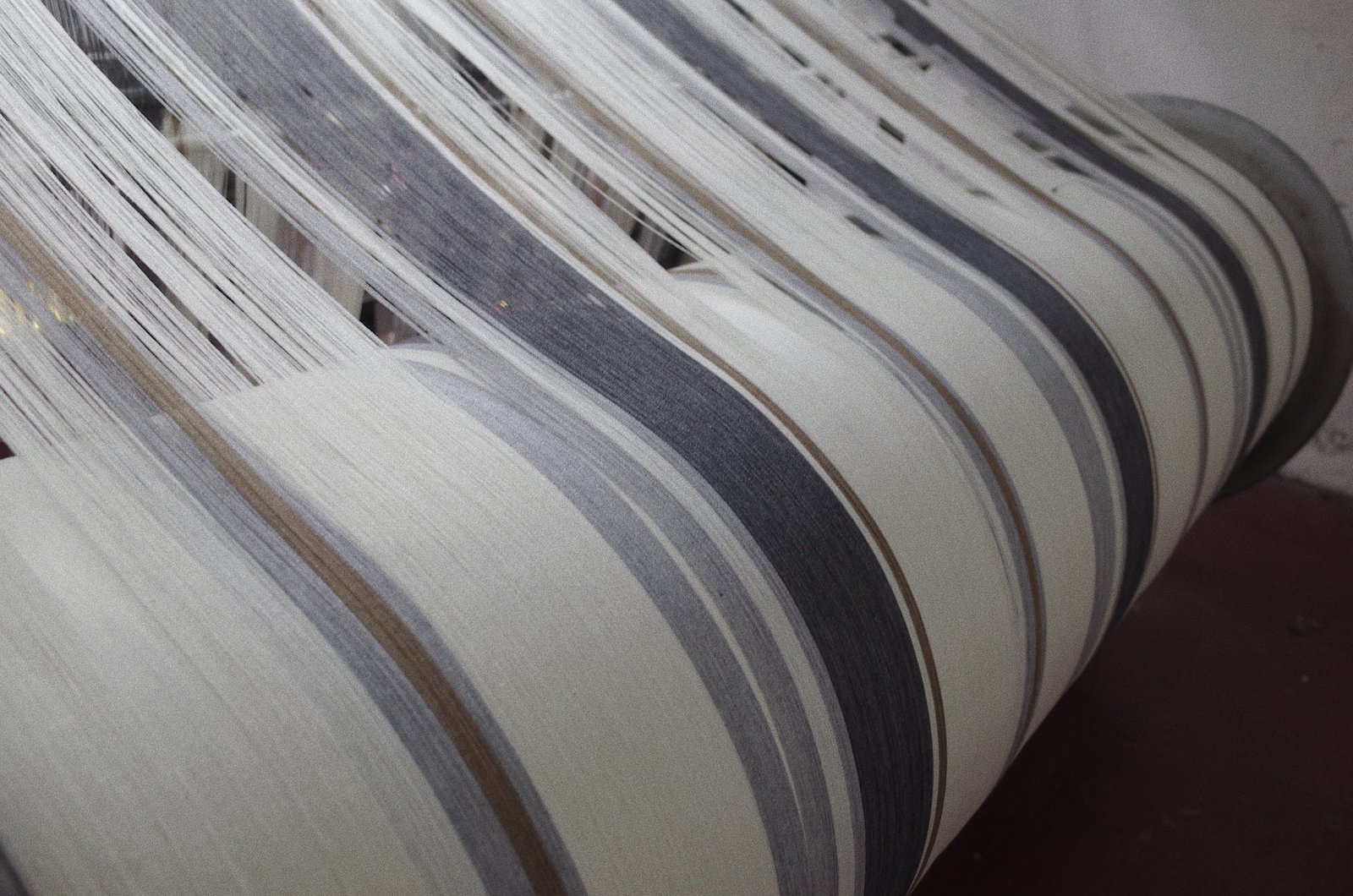
Weaving
Rapier loom weaving for structured woven fabric development.
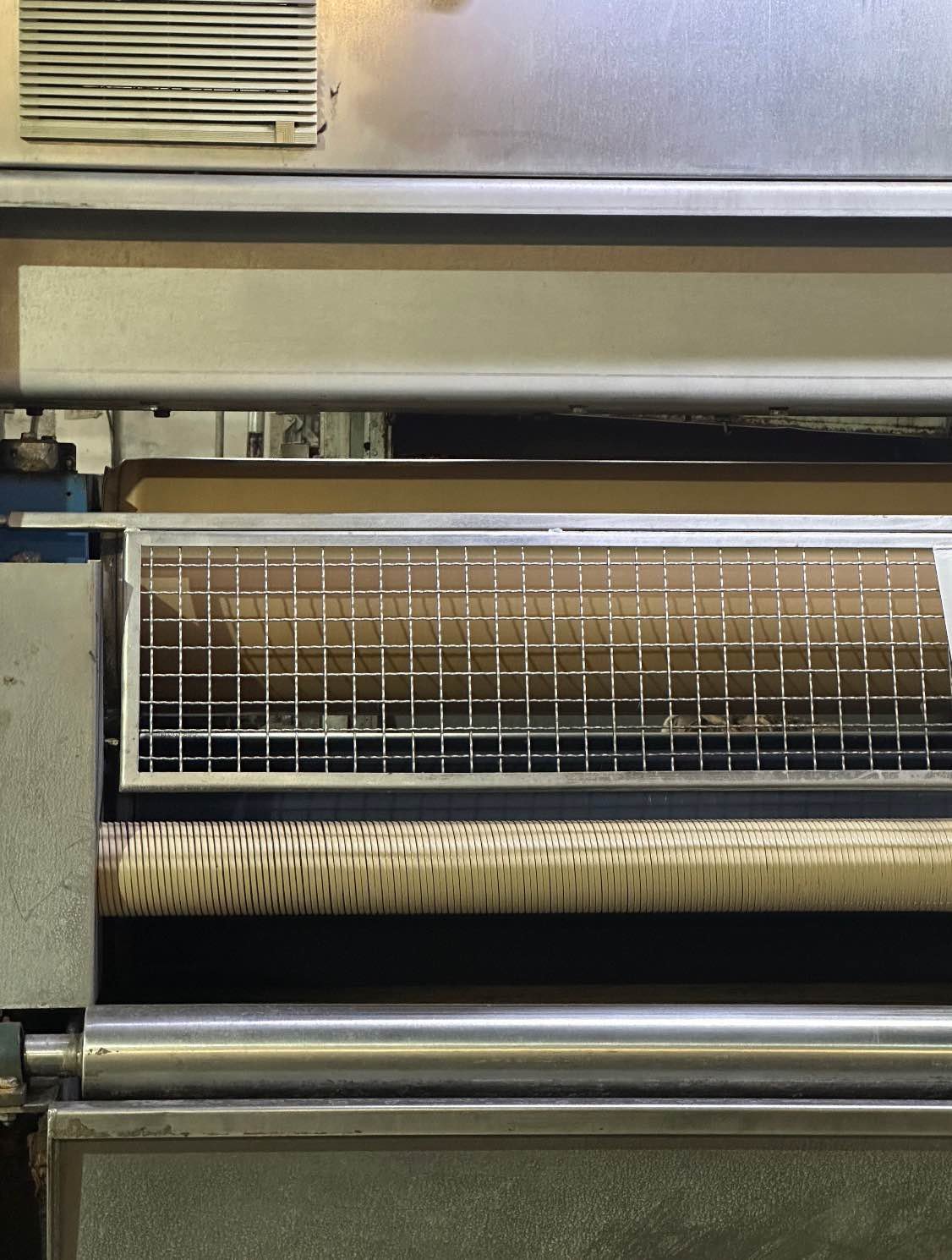
Finishing
Piece Dyed finishing and final handfeel direction for bulk programs.
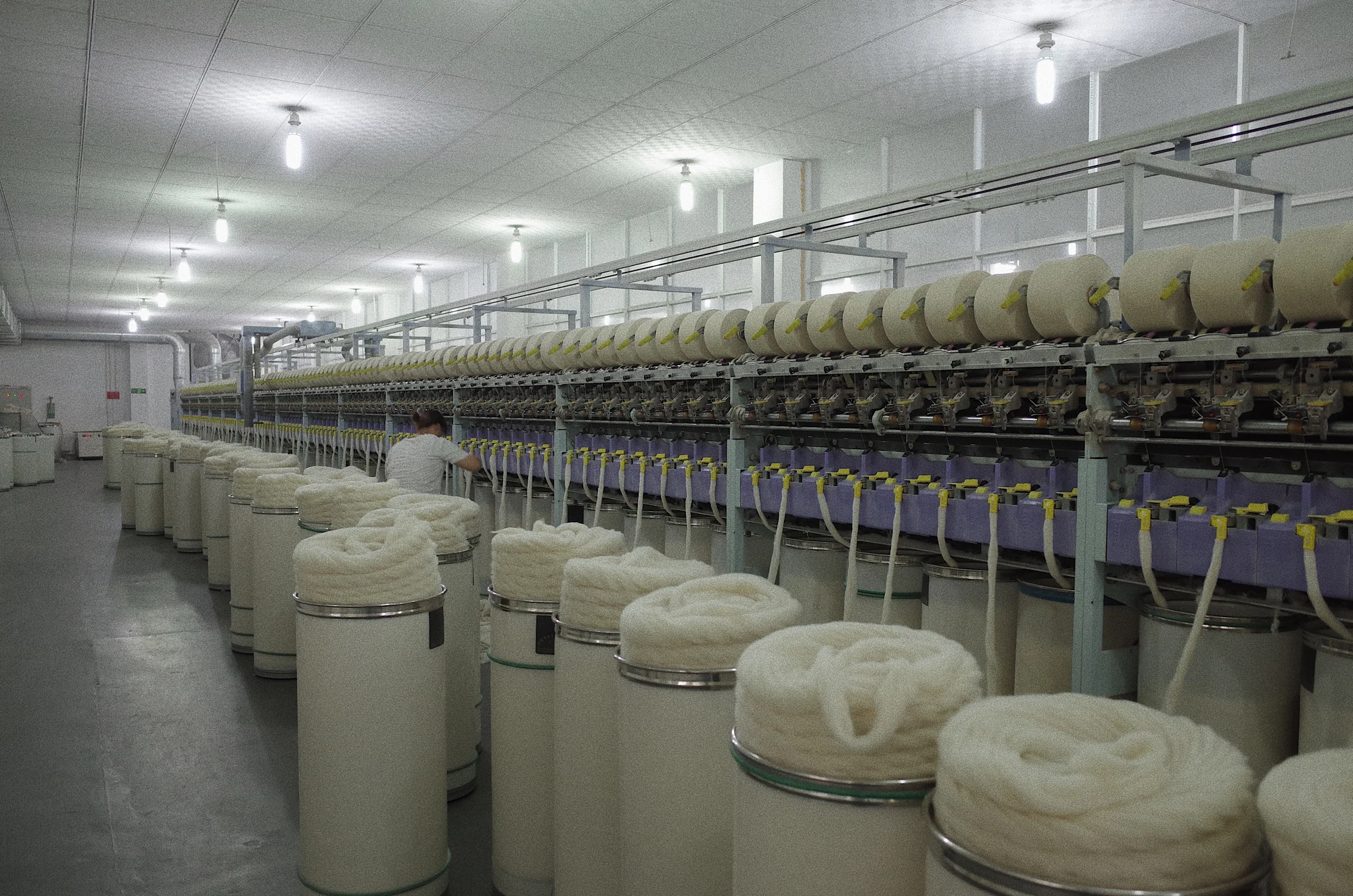
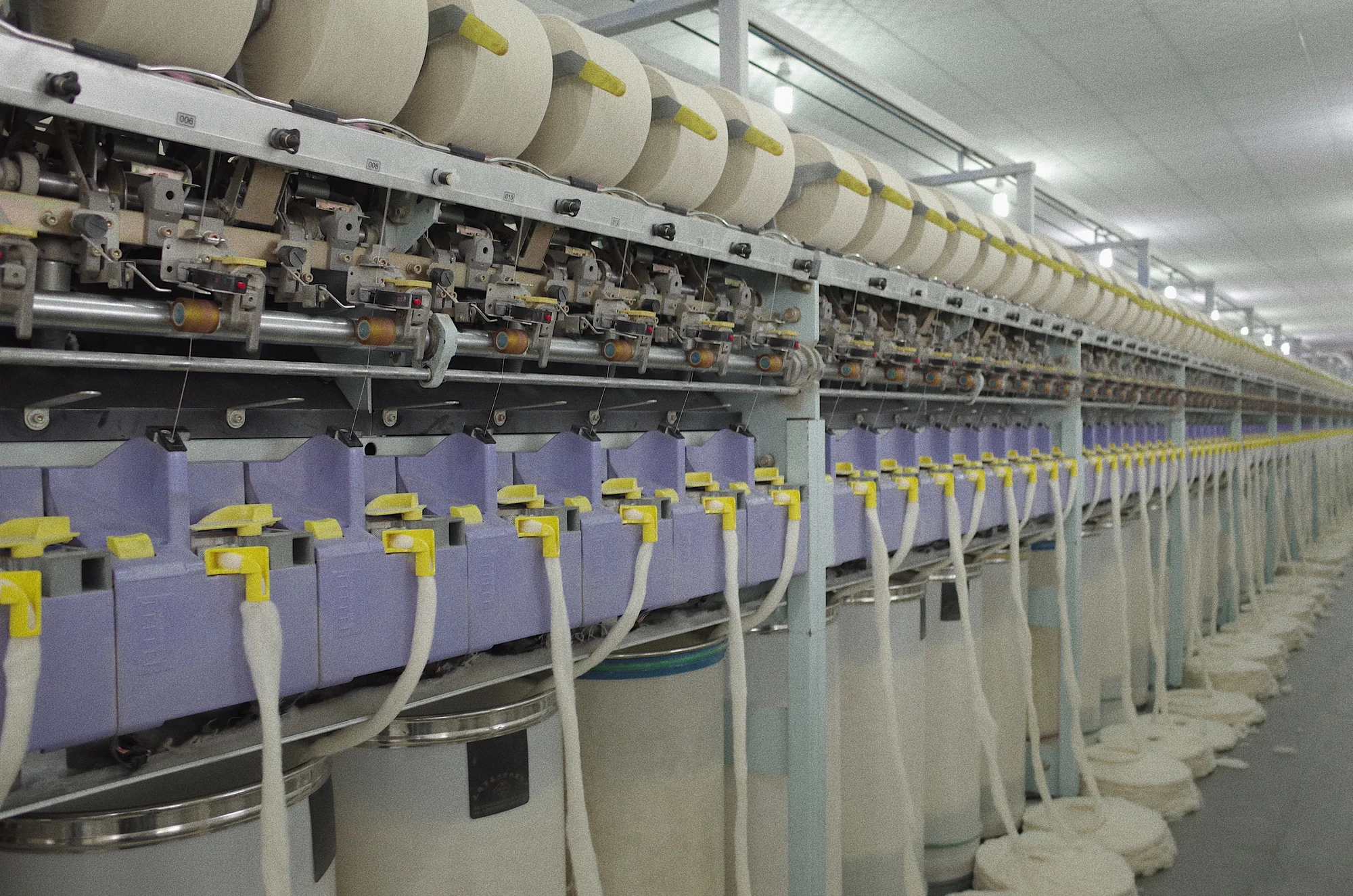
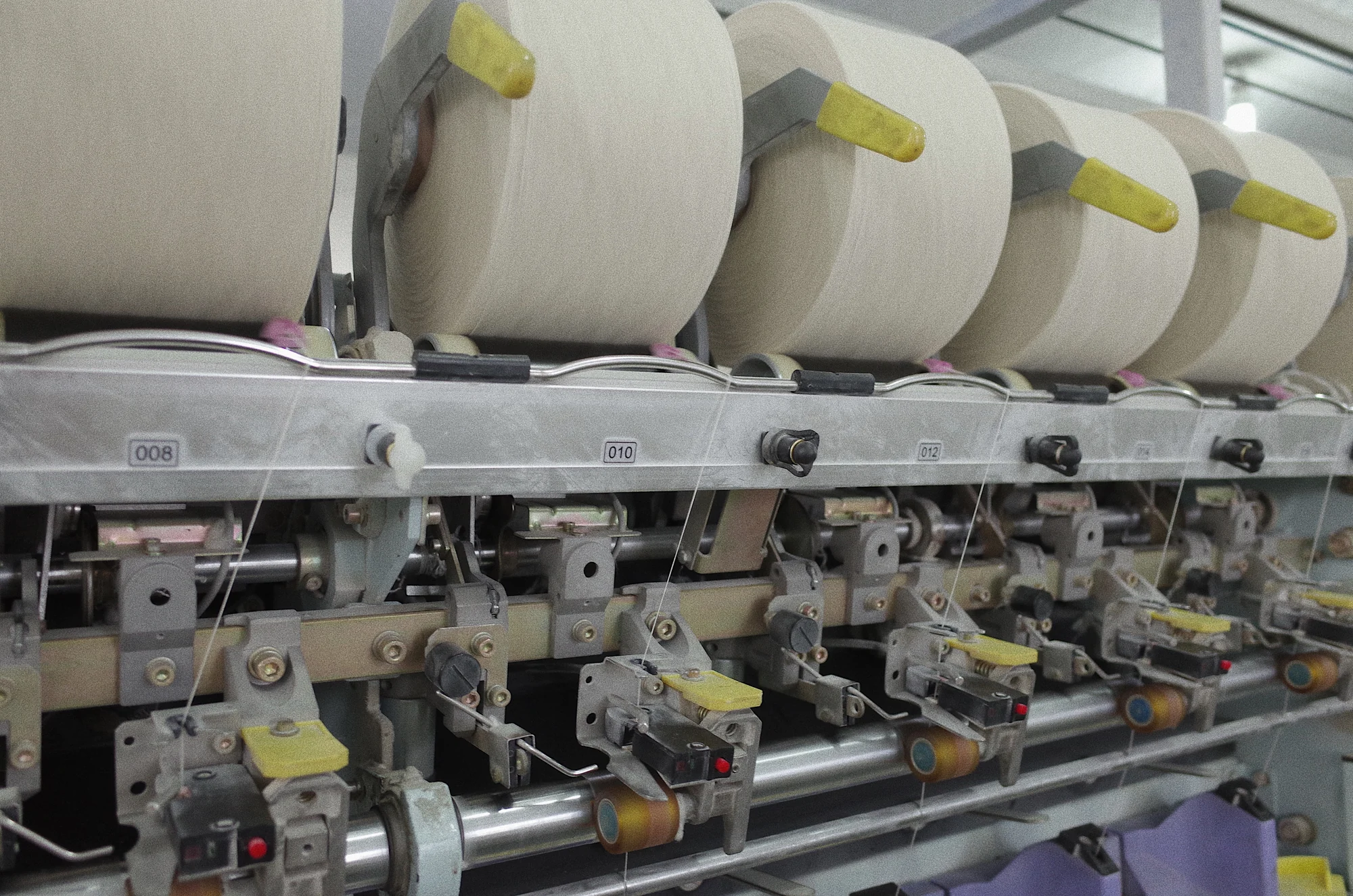
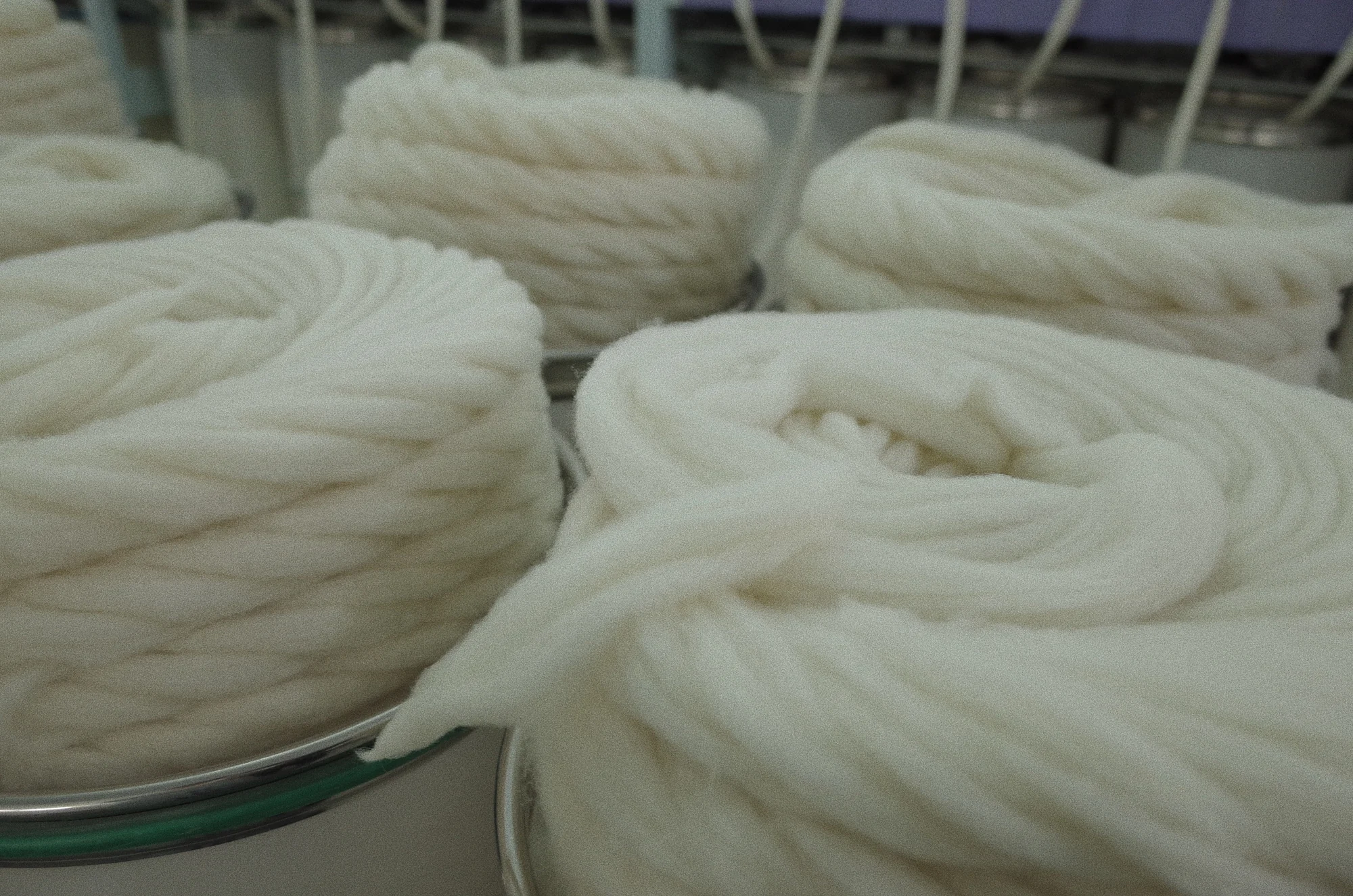
Spinning
Inside the spinning facilities.
Factory views of the spinning line, machine configuration, fibre preparation, and day-to-day production.
Weaving
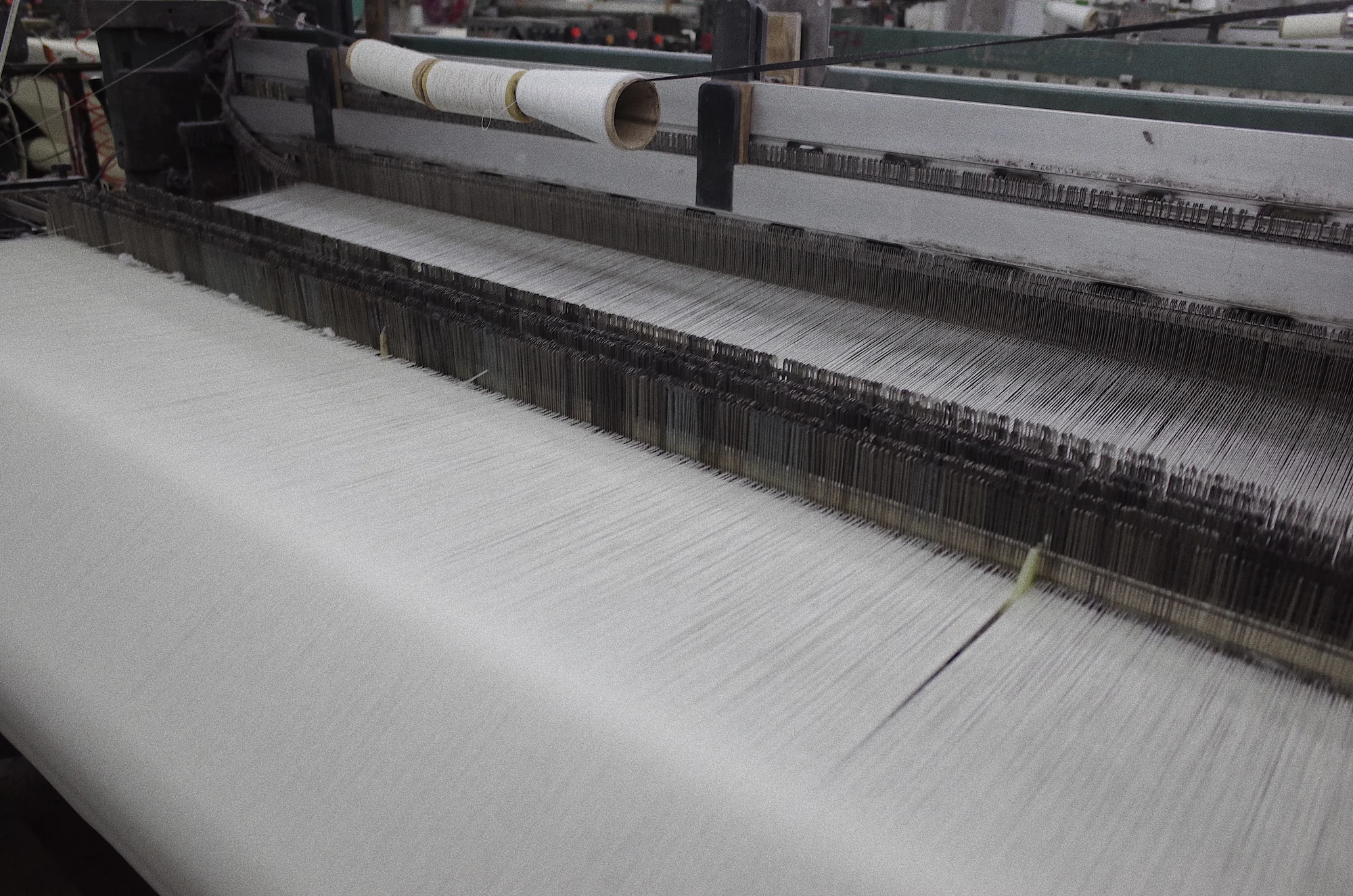
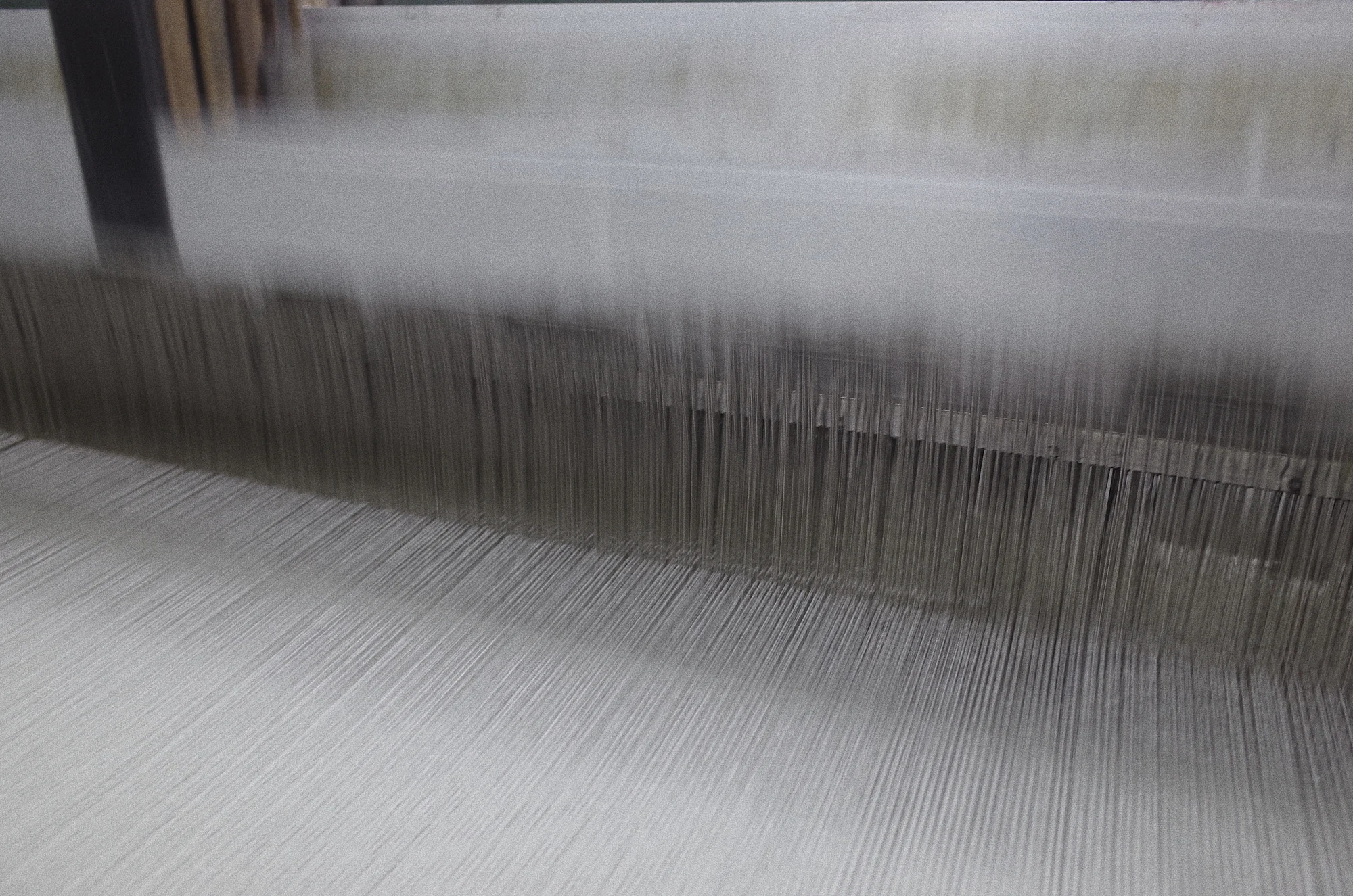
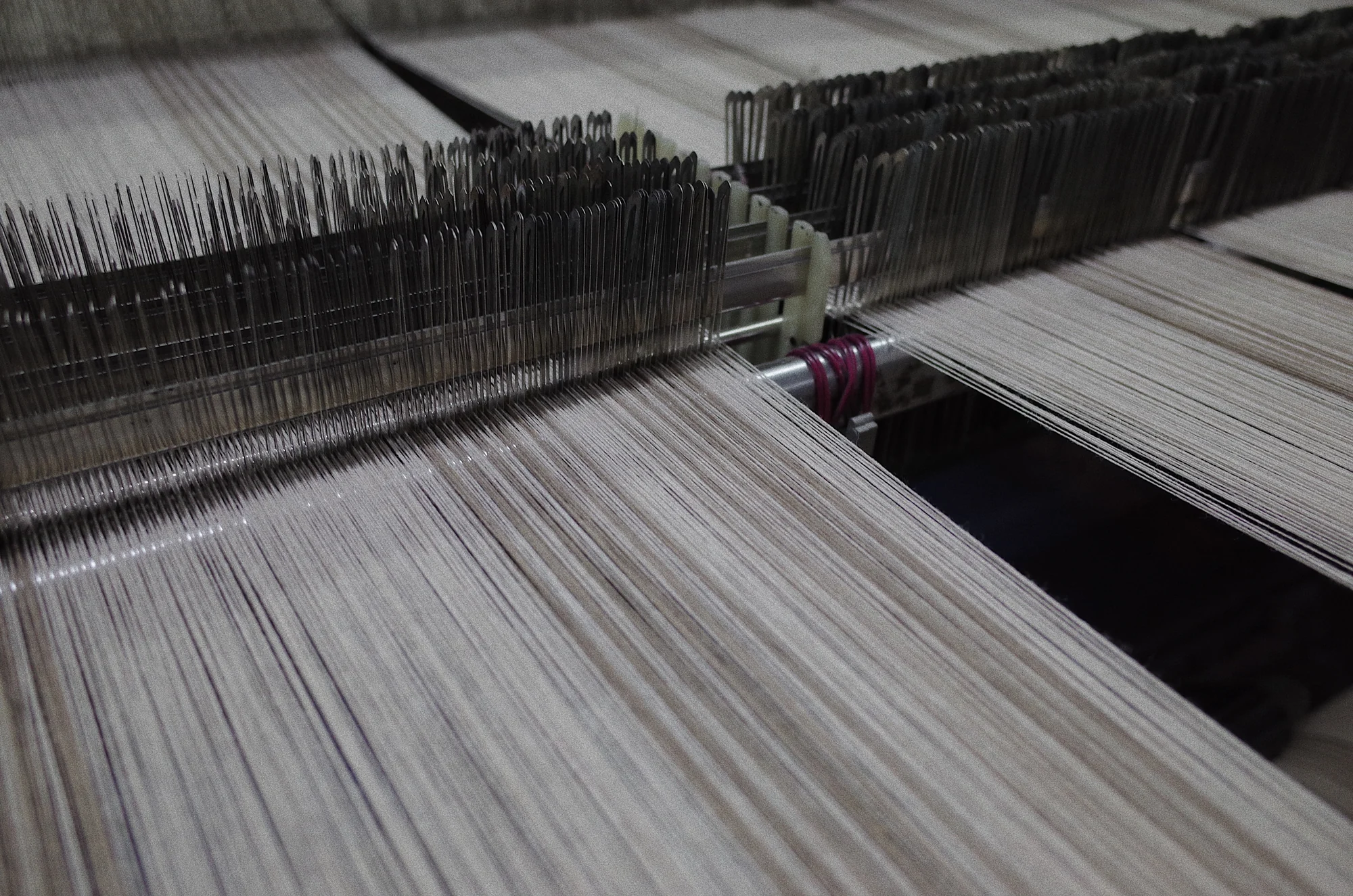
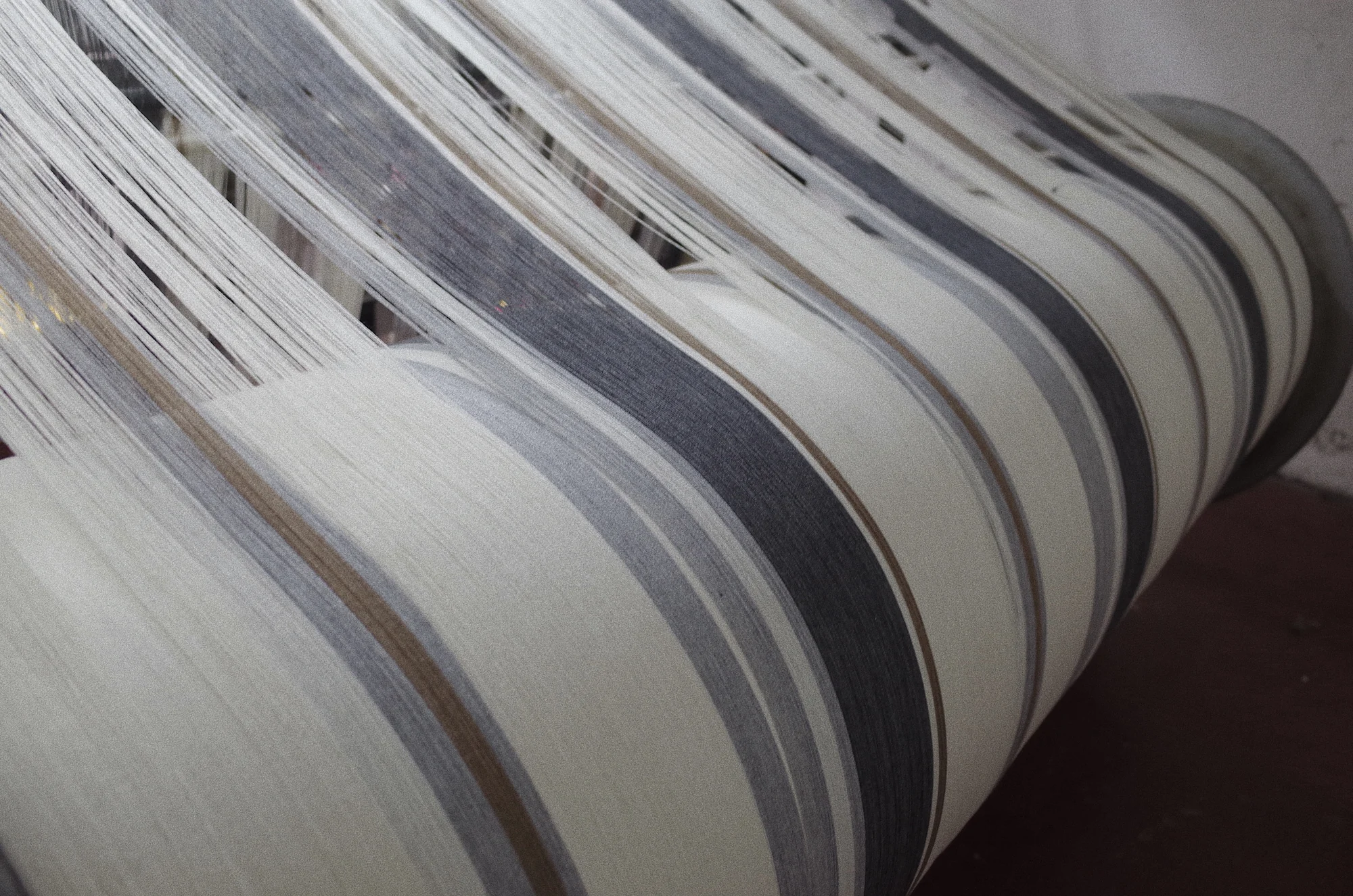
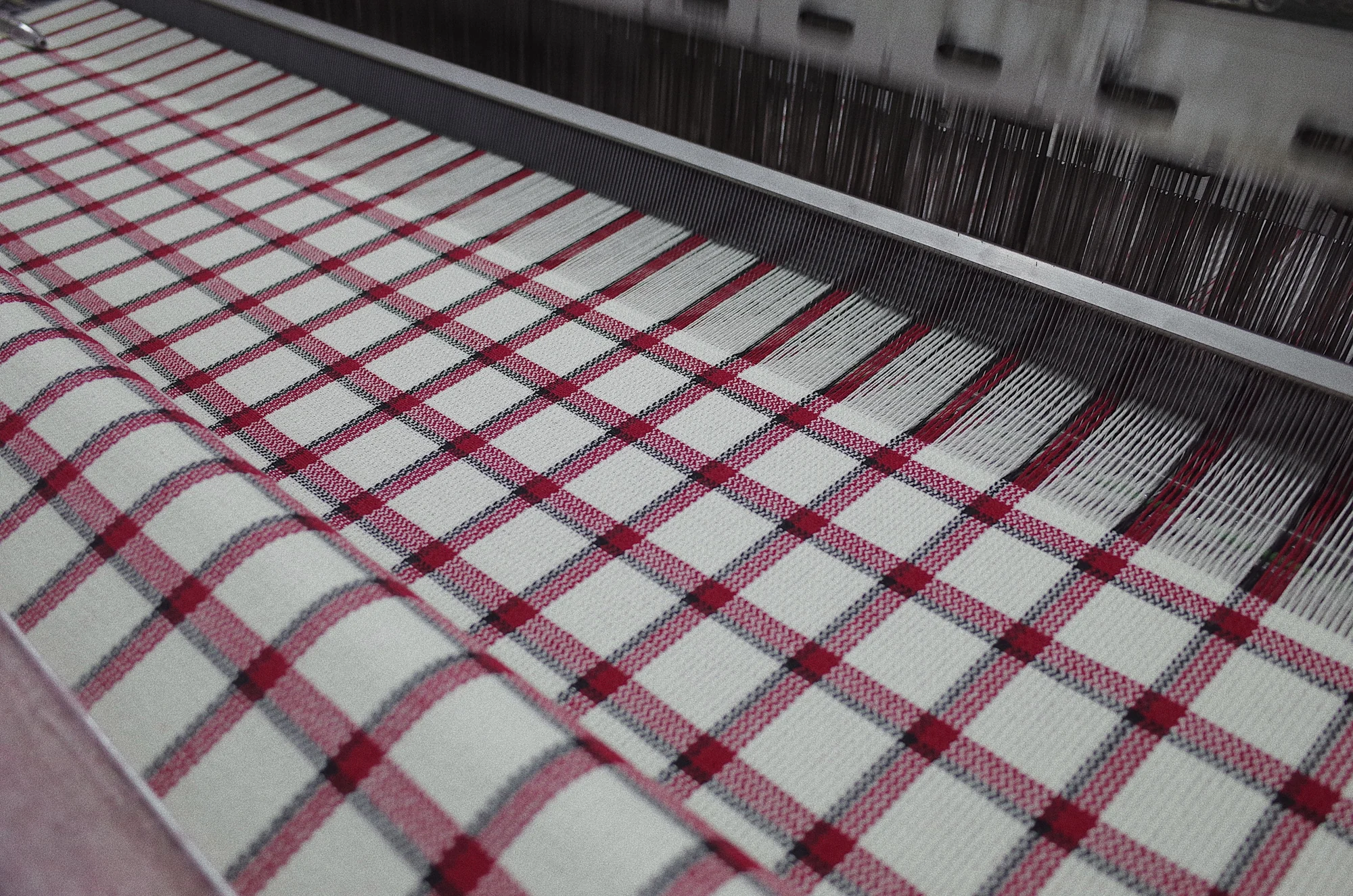
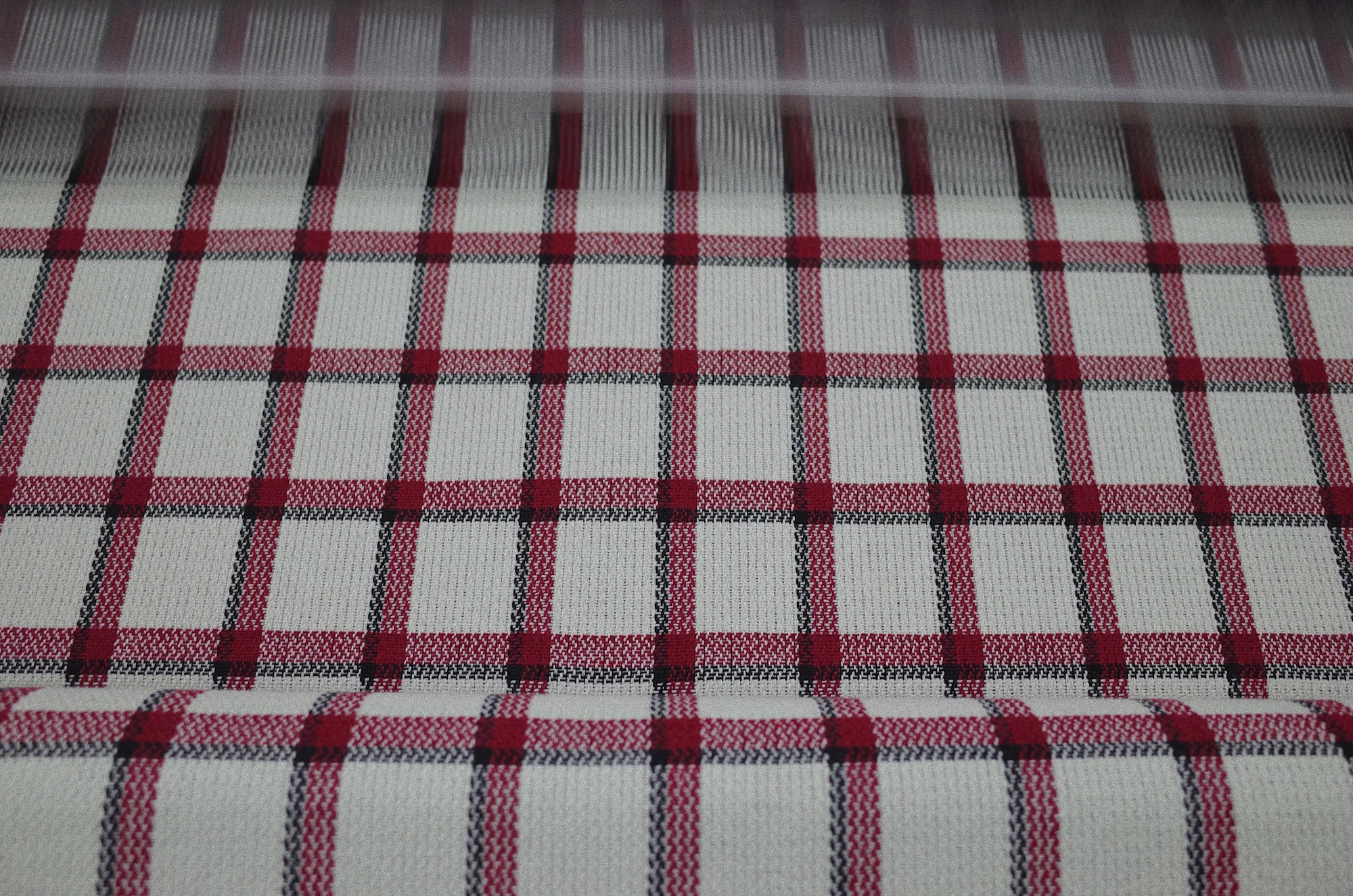
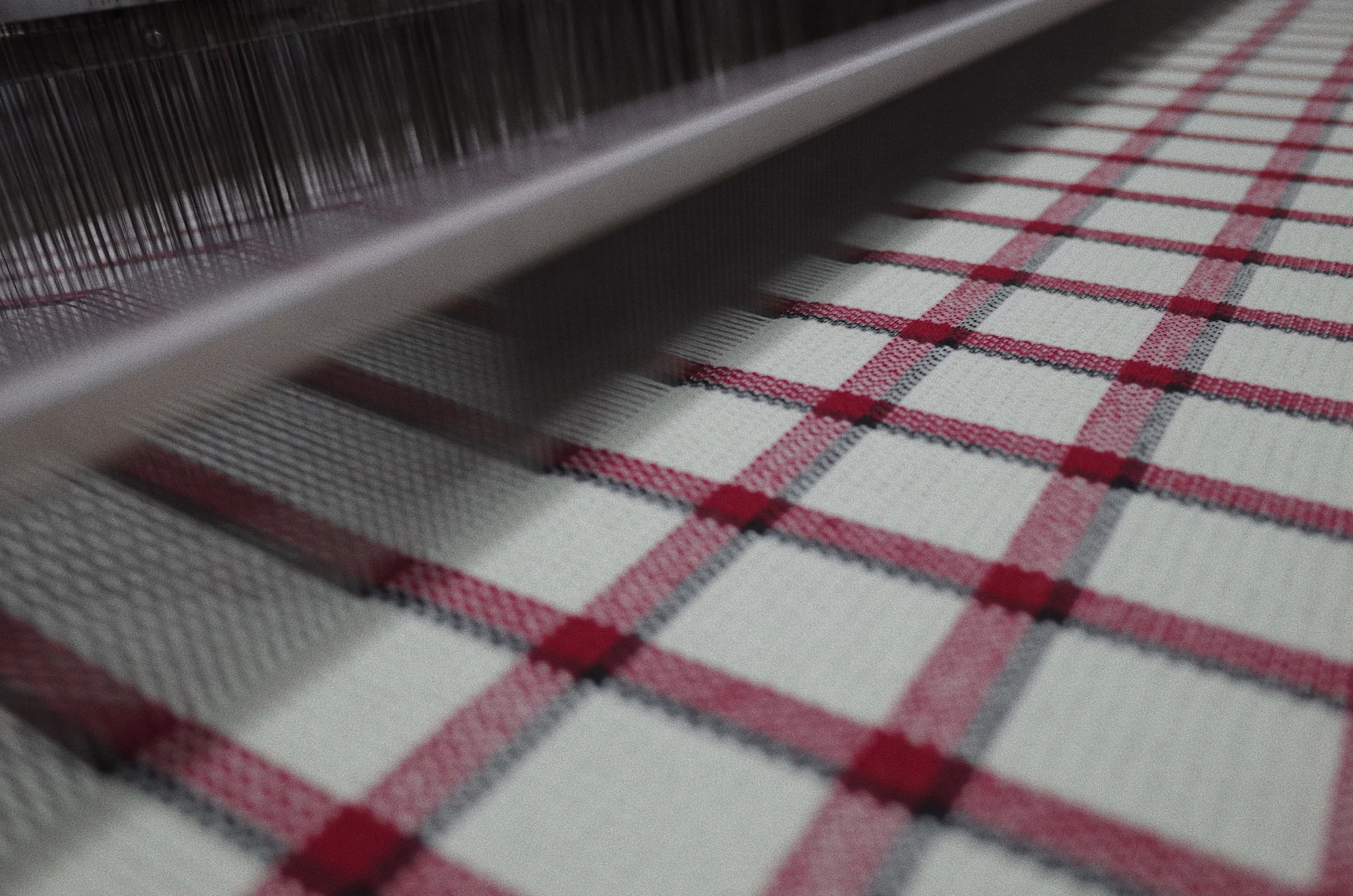
Inside the weaving facilities.
Seven factory views trace warp preparation, reed movement, loom operation, and the formation of a woven tartan pattern.
Finishing
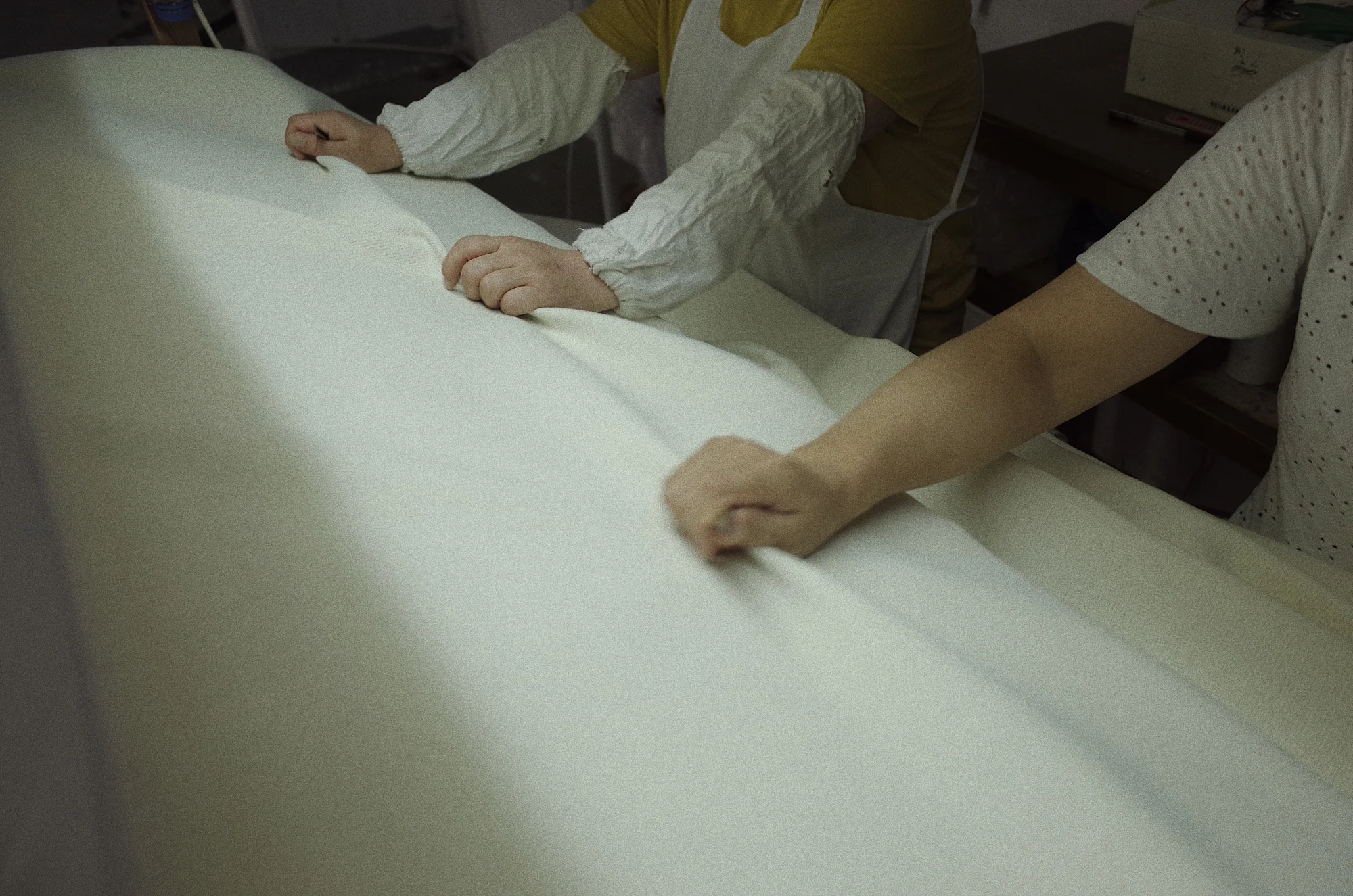
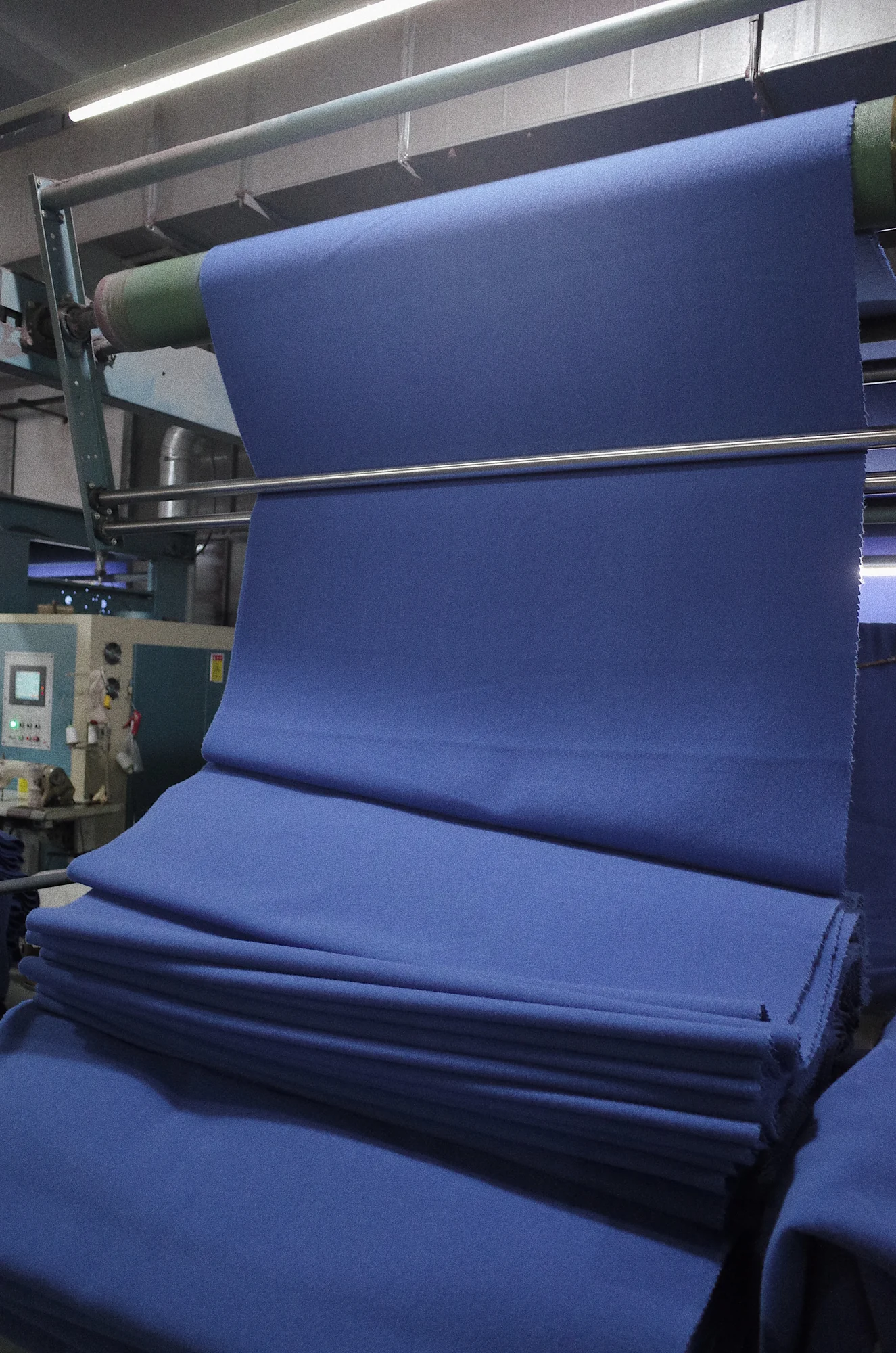
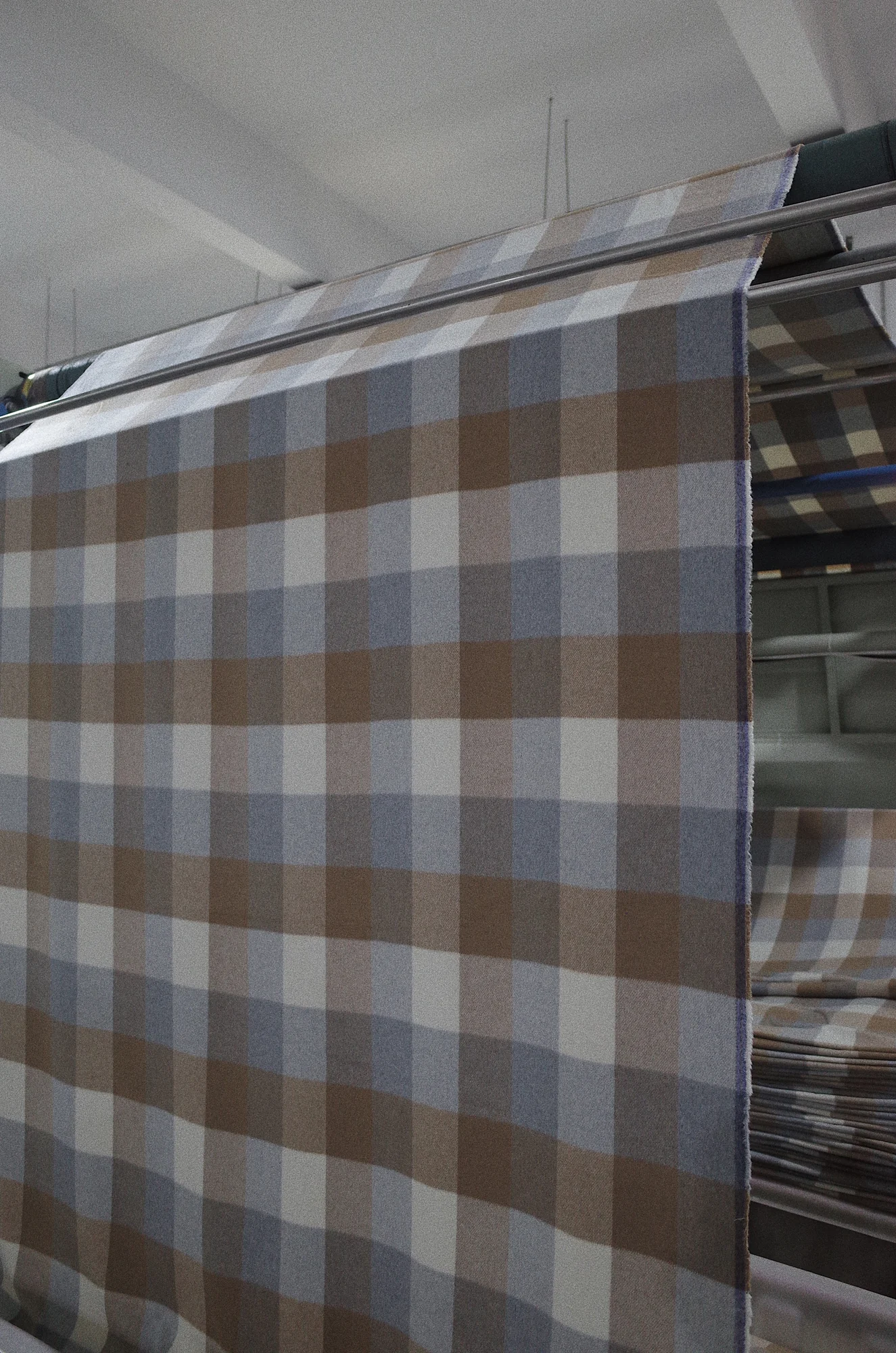
Inside the finishing facilities.
Three views show handfeel and surface inspection, followed by finished solid and checked fabric moving through the final production stage.
Production Snapshot
Capacity, staff, investment, and product scope from the company profile.
Integrated support from material preparation to finishing.
The facilities content is organized around top dyeing, spinning, weaving, finishing, inspection, and shipment coordination for woolen and blended woven fabric programs.
Next Step
Operation details are organized separately.
Order cooperation, MOQ, testing, delivery, payment references, and workflow remain on the Operation page so this page can focus on factory capability and material knowledge.
View OperationMaterials
A complete fibre guide without repeated entries.
Thirteen distinct materials from the supplied fibre guide are grouped by origin. Repeated source slides are consolidated, while every unique characteristic, subtype, breed note, sustainability note, and comparison value is retained.
Animal Fibres
Protein fibres selected for warmth, softness, loft, and natural performance.
Wool
A naturally crimped protein fibre obtained from sheep, valued for shape retention, warmth, elasticity, moisture absorption, wrinkle resistance, and biodegradability.
Characteristics
- Holds garment shapes well.
- Retains air and warmth.
- Highly elastic and one of the most extensible natural fibres.
- Absorbs more moisture than cotton.
- Naturally wrinkle resistant.
- Biodegradable.
Merino: Originated in Spain and is now most widely distributed in Australia; typical fineness is 14–24 microns.
Corriedale: Grown across the grasslands of New Zealand’s South Island; typical fibre fineness is 27–30 microns.
Yak
A versatile and sustainable cashmere alternative made from the coat of the long-haired Himalayan bovine. Natural shades range from brown to black; fine fibres are described as warmer than merino, as soft as cashmere, and as tough as camel fibre.
Characteristics
- Soft.
- Shiny and more lustrous than wool.
- Retains warmth and is described as 10–15% warmer than wool.
Alpaca
A rare natural animal fibre from the South American camelid family. It is light, fine, warm, and available in natural shades from white and light brown to dark brown and grey; it is often blended with cashmere, mohair, or silk.
Characteristics
- Lightweight and airy.
- Very smooth and soft.
- Felts readily like wool and is durable.
- Retains warmth and is described as 3–5 times warmer than wool.
- Breathable and moisture-wicking.
- Flame resistant.
- Hypoallergenic and gentle on skin.
- Takes dye well and is colourfast.
- Wrinkle- and pill-resistant.
- Can gather slight static electricity.
Plant Fibres
Seed and bast fibres valued for breathability, moisture handling, structure, and renewable origin.
Cotton
A soft, fluffy seed fibre grown as a protective case around the cotton seed and usually off-white in colour.
Characteristics
- Lightweight.
- Durable and remains strong when wet.
- Breathable and wearable throughout the year.
- Absorbs and releases moisture quickly.
Flax / Linen
One of the oldest and strongest natural bast fibres, extracted from flax or linseed plants to produce linen fabric. It is crisp, naturally lustrous, and ranges from ivory and light tan to grey.
Characteristics
- Slightly silky and lustrous.
- Durable, stiff, and crisp.
- Withstands high temperatures.
- Breathable and cool for summer wear.
- Low elasticity.
- Pill and insect resistant.
- Absorbs and releases moisture quickly.
- Softens and gradually weakens through washing and wear.
- Anti-static.
- Biodegradable.
Sustainable benefit: Flax grows quickly and easily, requires few chemicals, and does not require irrigation during cultivation.
Ramie
Also known as China grass or rhea, ramie is one of the oldest textile fibres and one of the strongest natural plant fibres. It is naturally white with a silk-like lustre and can be blended with cotton, polyester, or wool.
Characteristics
- Initially stiff and brittle, then softens with washing and age.
- Strength increases when wet.
- Holds garment shapes well.
- Becomes silkier after washing.
- Withstands high temperatures.
- Low elasticity.
- Releases moisture quickly.
- More absorbent than cotton.
- Resistant to bacteria and mould.
- Takes dye well.
Regenerated Cellulose Fibres
Cellulose-based fibres developed through controlled manufacturing processes for softness and moisture management.
Rayon
The first manufactured semi-synthetic fibre, often described as artificial silk. Rayon blends readily with other fibres to create soft, silky fabrics, while individual rayon varieties differ in process and finished properties.
Characteristics
- Smooth and soft.
- Silky and lustrous.
- Weak and highly breakable, especially when wet.
- Absorbs moisture quickly.
- Highly flammable.
- Takes dye well.
- Prone to shrinkage and wrinkling.
Modal: A beechwood-pulp fibre with a smoother surface and softer touch than rayon viscose. It is durable, breathable, shrink resistant, and commonly used for lingerie and household products.
Viscose: Also known as rayon viscose, it is made from wood pulp or cotton linters and has a silky texture.
TENCEL™ Lyocell
A plant-based branded lyocell fibre known for natural comfort, strength, moisture management, a soft skin-friendly feel, and a closed-loop production process.
Characteristics
- Plant-based: made from sustainable wood sourced from certified, controlled forests.
- Closed-loop production: wood pulp is converted into cellulose fibre through solvent spinning, with water and solvent recycled at a recovery rate of more than 99%.
- Stable colour: solution-dyed fibres retain bright, durable colour through repeated washing.
- Breathability: a fine fibre structure regulates moisture absorption and release, supporting fabric breathability and natural body-temperature regulation.
- Skin-friendly dry feel: a smooth fibre surface absorbs moisture more effectively than cotton, helping fabrics feel soft, dry, and comfortable even against sensitive skin.
Synthetic Fibres
Engineered fibres used to add durability, elasticity, shape retention, fast drying, and specialised performance.
Polyester
A petroleum-derived synthetic fibre commonly produced as PET or PCDT. PET is the stronger clothing-oriented type and is often blended with natural fibres; PCDT is more often used for furnishings because of its elasticity and resilience.
Characteristics
- Soft and drapes easily.
- Holds garment shapes well and is highly durable.
- Retains pleats set by heat.
- Pill-resistant in filament form and fast-drying.
- Resistant to mildew and soil.
- Lower price point than most fabrics.
- Takes dye well but requires high-temperature dyeing.
Sustainable options: Mechanically or chemically recycled polyester, including recycled polyester made from PET bottles, offers a more responsible material direction.
Nylon / Polyamide
A petroleum-derived thermoplastic fibre originally developed as a silk substitute. Nylon 6 and nylon 6.6 are the most common types; nylon is highly elastic, exceptionally strong, and often blended with other fibres.
Characteristics
- Smooth and soft.
- Extremely durable, even when wet.
- Heat sensitive and prone to melting.
- Highly elastic.
- Moisture-wicking and fast-drying.
- Soil resistant.
- Resistant to mildew and fungi.
- Takes dye well, although dark shades can fade during washing.
- Wrinkle resistant.
- Can gather static electricity easily.
Spandex / Elastane
A segmented polyurethane synthetic fibre used to provide elasticity. It can stretch beyond 500% of its original length and recover immediately, and is commonly blended with other fibres for additional stretch.
Characteristics
- Lightweight, smooth, and soft.
- Relatively weak as a fibre but stronger and more durable than rubber.
- Excellent elasticity and pilling resistance.
- Resistant to oils and perspiration.
- Resistant to mildew and insects.
- Takes dye well.
- Wrinkle resistant.
- Abrasion resistant.
- Anti-static.
Acrylic
A wool-like synthetic fibre made from the polymer acrylonitrile. It may be used alone or blended with natural and synthetic fibres to enhance stretch, lustre, and warmth at a more accessible price point.
Characteristics
- Lightweight and soft.
- Resistant to wear and tear.
- Retains warmth.
- Prone to melting.
- Moisture-wicking and fast-drying.
- Highly UV resistant.
- Chemically resistant and stable with common bleaching agents.
- Resistant to mildew and insects.
- Takes dye well and is colourfast.
- Easy to wash and does not shrink like wool.
- Can gather static electricity.
Dralon®
A branded acrylic fibre described in the supplied material sheet as using a dry-spinning process and a distinctive double-T cross-section with grooves that retain still air.
Characteristics
- Warmth: the shaped cross-section and raised surface create a loftier fabric that traps more still air.
- Colour fastness: reactive dyeing supports good colour retention.
- Air permeability: a moisture-wicking core helps move moisture away from the body for a soft, breathable feel.
| Property | Dralon® | Polyamide | Polyester | Cotton | Polypropylene |
|---|---|---|---|---|---|
| Light resistance | Very good | Poor | Good | Poor | Poor |
| Acid resistance | Very good | Good | Good | Poor | Very good |
| Alkali resistance | Very good | Good | Good | Good | Very good |
| Static tendency | Very low | High | High | Low | High |
| Moisture regain | 1.5–2% | 4–5% | 0.1–0.2% | 7–8% | 0% |
Discuss production capacity, fibre selection, testing, delivery, and payment terms.
Share composition, handfeel, performance direction, quantity, testing needs, delivery term, and schedule for a focused development discussion.